

Craftiviti
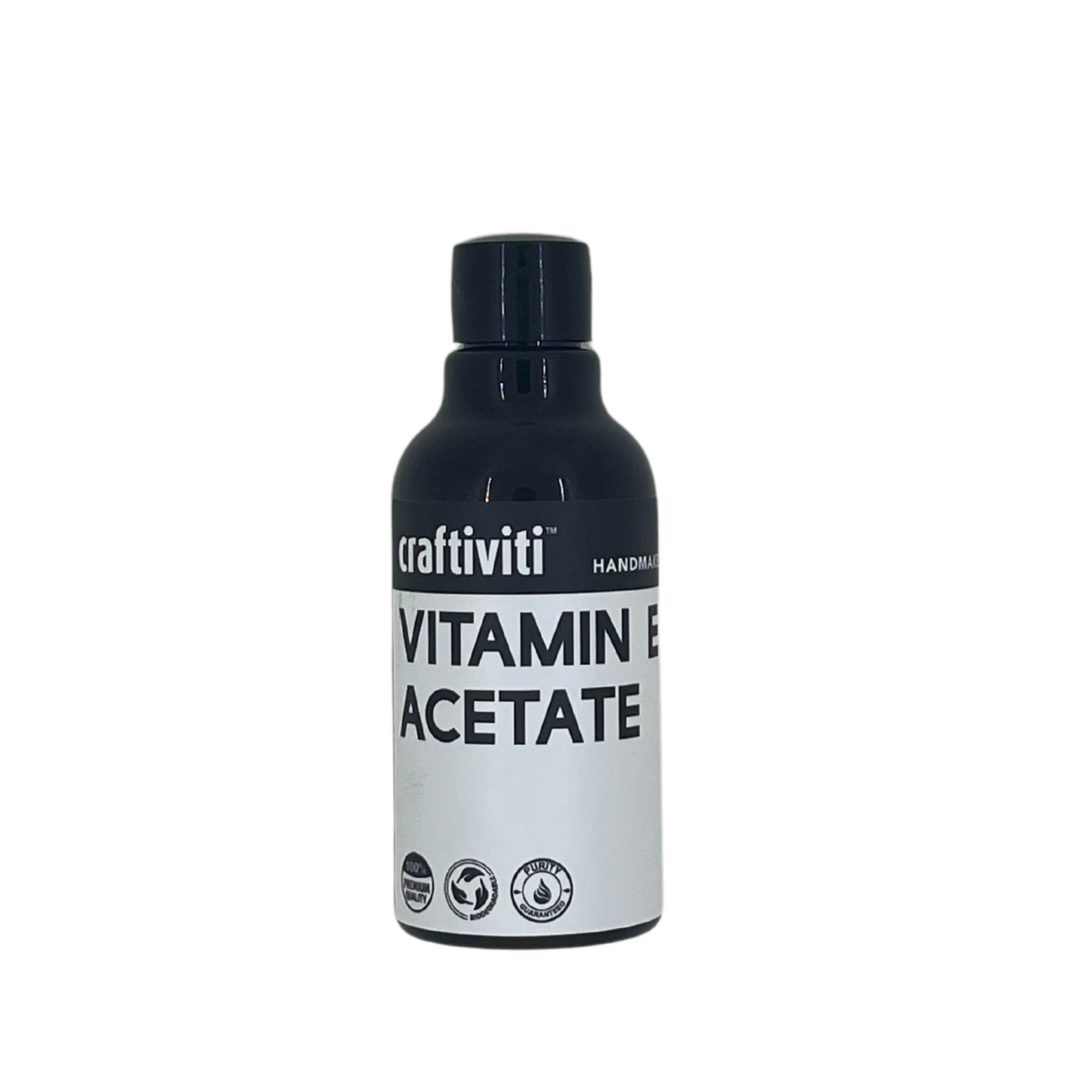
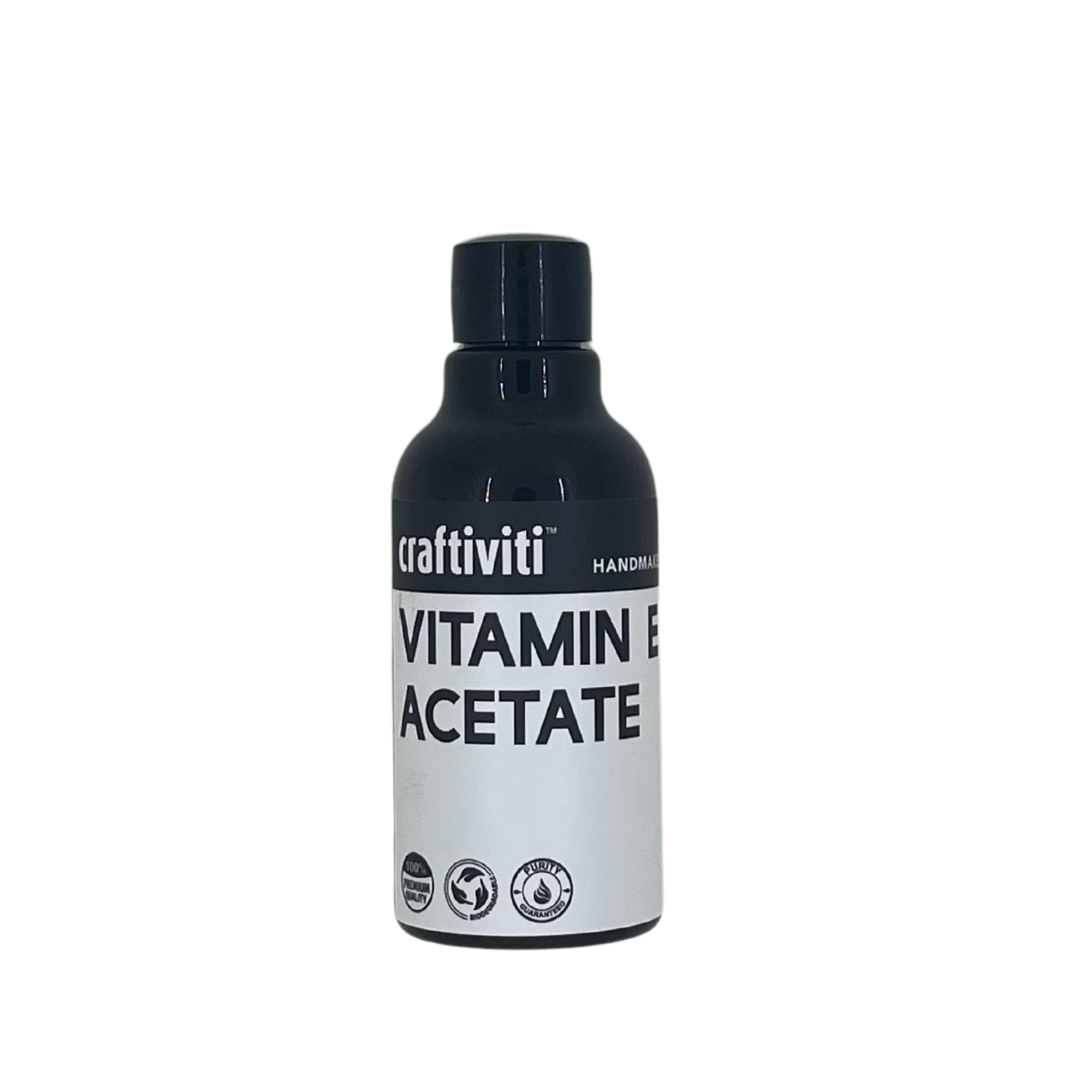
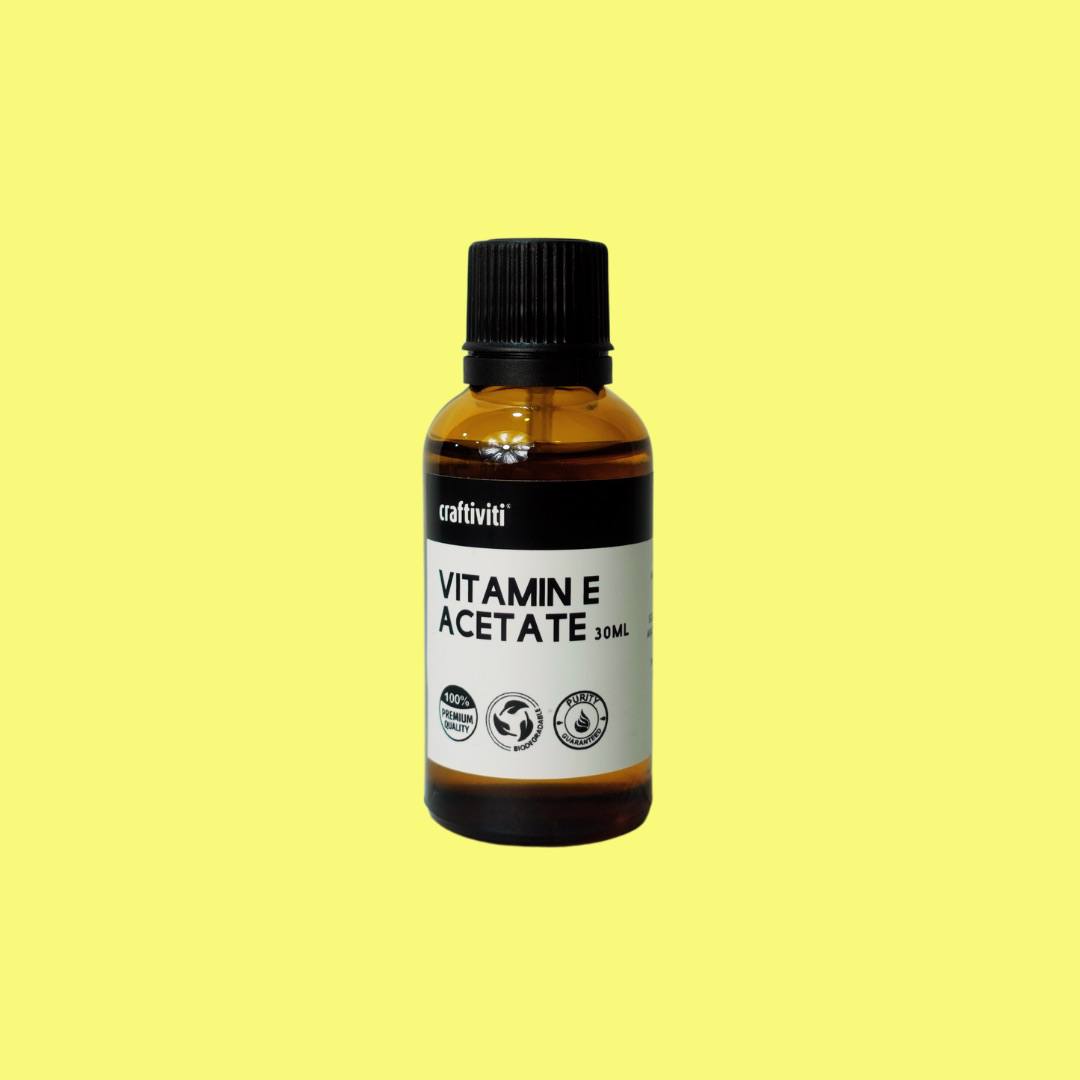
Vitamin E Acetate (Germany) - Cosmetic Grade
Vitamin E Acetate (Germany) - Cosmetic Grade
Couldn't load pickup availability
Vitamin E Acetate (Tocopheryl Acetate) for Skincare, Soap Making & DIY Beauty Formulations | Craftiviti Malaysia
NOT FOR CONSUMPTION. For cosmetic and personal care formulation use only.
Looking for Vitamin E Acetate for skincare formulation in Malaysia? Craftiviti’s Vitamin E Acetate (Tocopheryl Acetate) is a thick, viscous cosmetic ingredient commonly used in skincare products, moisturisers, massage oils, lip care, and DIY beauty formulations.
Vitamin E Acetate is a stable form of vitamin E widely used as a skin conditioning ingredient in cosmetic products. Its rich texture makes it suitable for selected oil based formulations designed to leave the skin feeling soft, smooth, and moisturised.
With its pale yellow colour and odourless profile, Craftiviti’s Vitamin E Acetate can be incorporated into compatible skincare recipes, massage oil blends, soap making projects, and other personal care formulations. It is also used in cosmetic products for its antioxidant properties, helping protect susceptible ingredients from oxidation under suitable formulation conditions.
Whether you are a DIY skincare enthusiast, handmade soap maker, or professional cosmetic formulator, Vitamin E Acetate offers versatility for developing personalised beauty products.
Important: This product is intended for cosmetic formulation use only. It is not intended for eating or drinking.
Product Information: Craftiviti Vitamin E Acetate
- Product Name: Vitamin E Acetate
- INCI Name: Tocopheryl Acetate
- Appearance: Thick, viscous liquid
- Colour: Pale yellow
- Type: Refined liquid
- Scent: Odourless
- Country of Origin: Germany
- Solubility: Soluble in carrier oils and certain organic solvents; insoluble in water
- Boiling Point: 443°C, as stated in the supplied product information
- Flash Point: 243°C, as stated in the supplied product information
- Available Sizes: 100 ml and 1,000 ml, subject to current availability
- Recommended Applications: Skincare, moisturisers, massage oils, lip care, soap making, and compatible cosmetic formulations
- Usage Restriction: Not for consumption
For bulk orders of Vitamin E Acetate, contact enquiry@craftiviti.com.
What Is Vitamin E Acetate?
Vitamin E Acetate, also known as Tocopheryl Acetate, is a form of vitamin E used in cosmetic and personal care formulations. It is an ester of tocopherol and is commonly selected for its stability compared with unesterified tocopherol under many formulation conditions.
In skincare products, Vitamin E Acetate functions primarily as a skin conditioning ingredient. It can be incorporated into suitable oil based formulations to help improve the skin feel and support moisturising products.
Vitamin E Acetate is also used in cosmetic formulation development where an oil soluble vitamin E ingredient is desired. However, it is not water soluble and must be incorporated using an appropriate formulation method.
What can you make with Vitamin E Acetate?
- Facial oils and moisturisers
- Body oils and massage blends
- Lip balms and lip care products
- Hand and cuticle care products
- Cold process and hot process soap formulations
- Melt and pour soap projects, where compatible with the base
- Selected creams, lotions, and other cosmetic products
The suitable concentration and method of incorporation depend on the product, the other ingredients, and the supplier’s technical recommendations.
Benefits of Vitamin E Acetate for Skin
Vitamin E Acetate is widely used in skincare for its skin-conditioning properties and role in cosmetic antioxidant formulations.
1. Helps Condition and Soften Skin
Vitamin E Acetate is used in moisturising products to help leave the skin feeling softer and smoother. Its rich texture makes it particularly useful in selected oil based skincare formulations.
2. Supports Moisturising Formulations
When included in an appropriate cosmetic formula, Vitamin E Acetate can contribute to a smooth, conditioned skin feel. It can be used in body oils, creams, and other moisturising products.
3. Used in Antioxidant Skincare Formulations
Vitamin E compounds are used in cosmetic formulations for their antioxidant properties. The effectiveness of Vitamin E Acetate depends on the complete formula and its intended application.
4. Suitable for Rich Skin Conditioning Products
Its thick consistency makes it useful in selected products designed for dry areas, such as elbows, heels, hands, and cuticles. Because it is highly viscous, it may feel heavy when applied directly to the skin.
5. Useful in Lip Care Formulations
Vitamin E Acetate can be incorporated into suitable lip balms and other lip care products to support a smooth, conditioned feel.
6. Suitable for DIY Beauty Formulations
From massage oils to moisturising products and handmade soaps, Vitamin E Acetate can be used in a variety of cosmetic projects when the formulation is compatible.
Important: Vitamin E Acetate is a cosmetic ingredient, not a proven treatment for burns, acne, scars, stretch marks, wrinkles, pigmentation, or other medical conditions. It should not be marketed as a sunscreen or as a substitute for tested sun protection products. Evidence that topical Vitamin E Acetate prevents or removes scars is limited.
Vitamin E Acetate for Hair Care
Vitamin E Acetate can be incorporated into selected hair and scalp cosmetic formulations, depending on the intended product and ingredient compatibility.
Common Hair Care Applications
- Hair oils
- Hair conditioning products
- Selected hair masks
- Scalp conditioning formulations
- Beard care products
Its oil based nature makes it suitable for some conditioning formulations, but it does not guarantee hair growth or repair split ends permanently. Because of its thick texture, formulate carefully to avoid leaving hair feeling heavy or greasy.
How to Use Vitamin E Acetate
1. Add Vitamin E Acetate to Skincare Formulations
Vitamin E Acetate can be incorporated into compatible oil-based skincare recipes, including facial oils, body oils, moisturisers, and other cosmetic products.
Suggested method:
1. Check the recommended usage rate in the supplier’s technical documentation.
2. Measure the required amount accurately.
3.Incorporate it into the appropriate phase of the formulation according to the ingredient’s compatibility.
4. Mix thoroughly until evenly distributed.
5. Evaluate the finished product for texture, stability, and compatibility.
For water based products, Vitamin E Acetate cannot simply be stirred into water. A suitable emulsifier or solubilising system may be needed, depending on the formulation.
2. Blend Vitamin E Acetate with a Carrier Oil
Because Vitamin E Acetate has a thick, viscous texture, blending it with a lighter carrier oil may make it easier to spread.
Suitable carrier oils to consider:
- Sweet almond oil
- Jojoba oil
- Argan oil
- Avocado oil
Suggested method:
1. Measure the selected carrier oil into a clean container.
2. Add Vitamin E Acetate at a concentration appropriate for the intended formulation.
3. Mix until evenly blended.
4. Perform a patch test before using the finished product.
Always verify ingredient compatibility and the recommended usage rate before preparing a finished product.
3. Use Vitamin E Acetate in Massage Oil Formulations
Vitamin E Acetate may be incorporated into compatible massage oil blends to contribute to the skin-conditioning properties of the finished product.
Suggested method:
1. Select a suitable cosmetic carrier oil.
2. Calculate the required amount of Vitamin E Acetate according to the supplier’s recommended usage rate.
3. Mix thoroughly.
4. If adding essential oils, follow the specific essential oil supplier’s topical dilution recommendations.
5. Label the finished blend and patch test before use.
Avoid applying a thick, concentrated product close to the eyes. Discontinue use if irritation occurs.
4. Incorporate Vitamin E Acetate into Soap Making
Vitamin E Acetate can be considered for selected soap making formulations, provided it is compatible with the soap base and the intended processing method.
Potential applications:
- Cold process soap
- Hot process soap
- Compatible melt and pour soap projects
- Selected personal care cleansing formulations
For cold process and hot process soap, consider the ingredient’s behaviour under the formulation’s processing conditions. Vitamin E Acetate is not a substitute for a properly calculated soap recipe, and its inclusion does not guarantee a longer lasting or more moisturising finished bar.
For melt and pour soap, follow the soap base manufacturer’s guidance on additional oils and additives. Excessive additions may affect hardness, lather, and stability.
5. Create DIY Lip Care Products
Vitamin E Acetate may be included in compatible lip balm formulations at an appropriate concentration.
Suggested method:
1. Prepare a suitable lip balm base using compatible waxes, butters, and oils.
2. Measure Vitamin E Acetate according to the formulation requirements.
3. Incorporate it using a method suitable for the ingredient and the recipe.
4. Mix thoroughly and transfer into suitable containers.
5. Allow the product to cool and solidify as required.
Use only ingredients appropriate for lip products, and avoid using this cosmetic raw material as an edible ingredient.
Vitamin E Acetate vs. Vitamin E as Tocopherol
Vitamin E Acetate and tocopherol are related but distinct ingredients.
- Vitamin E Acetate (Tocopheryl Acetate): An ester form of vitamin E commonly used as a skin-conditioning ingredient in cosmetic formulations.
- Tocopherol: A form of vitamin E with antioxidant activity that is often used to help slow oxidation in oil-containing products.
Although both are used in cosmetics, they are not interchangeable in every formulation. Vitamin E Acetate should not automatically be treated as a direct substitute for tocopherol when the main objective is protecting carrier oils from rancidity. Select the ingredient according to the intended function and the supplier’s formulation guidance.
Important formulation note: Antioxidants help slow oxidation but do not prevent microbial growth. Water containing skincare products may require a suitable broad-spectrum preservative and appropriate testing.
Storage and Safety Information
- For cosmetic formulation use only.
- Not intended for consumption.
- Store in a cool, dry place away from direct sunlight.
- Keep the container tightly closed after use.
- Avoid contact with the eyes.
- Use according to the supplier’s technical documentation.
- Perform a patch test with the finished product before regular use.
- Keep away from children and follow appropriate handling precautions.
- Check compatibility before combining with other cosmetic ingredients.
Where to Buy Vitamin E Acetate in Malaysia
Looking for Vitamin E Acetate and DIY skincare formulation ingredients in Malaysia? Craftiviti offers a range of cosmetic ingredients, carrier oils, essential oils, cosmetic butters, waxes, fragrance oils, soap making supplies, DIY craft kits, and creative workshops.
Visit the Craftiviti Experience Centre, Level 2, Centrepoint Bandar Utama, Petaling Jaya, Selangor, Malaysia, to explore ingredients for your next skincare, haircare, soap making, or personal care project.
For bulk orders of Vitamin E Acetate, email enquiry@craftiviti.com.
Whether you are a DIY skincare enthusiast, handmade soap maker, or professional cosmetic formulator, Craftiviti provides ingredients to support your formulation projects.
Frequently Asked Questions About Vitamin E Acetate
1. What is Vitamin E Acetate used for in skincare?
Vitamin E Acetate, also known as Tocopheryl Acetate, is used as a skin-conditioning ingredient in moisturisers, facial oils, body oils, lip care products, and other cosmetic formulations.
2. Is Vitamin E Acetate good for dry skin?
It can be included in suitable skincare formulations designed to soften and condition dry skin. Its rich texture may feel heavy when used undiluted, so the finished product should be formulated for its intended application.
3. Can Vitamin E Acetate be applied directly to the face?
Direct application may not suit everyone because of its thick texture and individual skin sensitivities. Follow the supplier’s recommended use guidance, avoid the eye area, and patch test before regular use.
4. Does Vitamin E Acetate help remove scars or stretch marks?
There is insufficient evidence to conclude that topical Vitamin E Acetate reliably removes scars or prevents stretch marks. It may be used in moisturising formulations, but cosmetic conditioning should not be confused with proven scar treatment.
5. Can Vitamin E Acetate be used in soap making?
It may be incorporated into compatible cold process, hot process, or melt and pour projects, subject to the soap base or formulation requirements. Follow the supplier’s recommended usage rate and assess the finished product.
6. Does Vitamin E Acetate prevent oil rancidity?
Vitamin E Acetate is used in cosmetic formulations for skin conditioning purposes, but it should not automatically be relied upon as the primary antioxidant for preventing carrier oil oxidation. Tocopherol is commonly used for that specific formulation function. The correct choice depends on the formula and supplier guidance.
7. Is Vitamin E Acetate soluble in water?
No. Vitamin E Acetate is oil soluble and insoluble in water. Water based formulations generally require a suitable emulsifier or solubilising system to incorporate it.
8. Is Craftiviti Vitamin E Acetate edible?
No. Craftiviti Vitamin E Acetate is labelled not for consumption and is intended for cosmetic formulation use only.
9. Where can I buy Vitamin E Acetate in Malaysia?
You can explore Craftiviti’s cosmetic formulation ingredients at the Craftiviti Experience Centre, Level 2, Centrepoint Bandar Utama, Petaling Jaya, Selangor, Malaysia. For bulk orders, email enquiry@craftiviti.com.
Explore Craftiviti’s Vitamin E Acetate and cosmetic formulation ingredients to create your own skincare, massage, lip care, and DIY beauty products.
Share