

Why Jojoba Oil Is Different
When it comes to natural skincare, few ingredients are as versatile and scientifically fascinating as jojoba oil. Unlike most plant oils, jojoba oil is technically a liquid wax ester, making it chemically similar to the sebum produced by human skin. This unique property explains why jojoba oil is so effective at balancing, protecting, and nourishing skin and hair.
In this deep dive, we’ll explore:
- What jojoba oil is and how it’s produced
- Its nutritional profile and scientific benefits
- How it compares to other oils
- Practical ways to use it for skin, hair, nails, and more
- Sustainability and ethical sourcing
- FAQs to answer common questions
What Is Jojoba Oil?
Origins
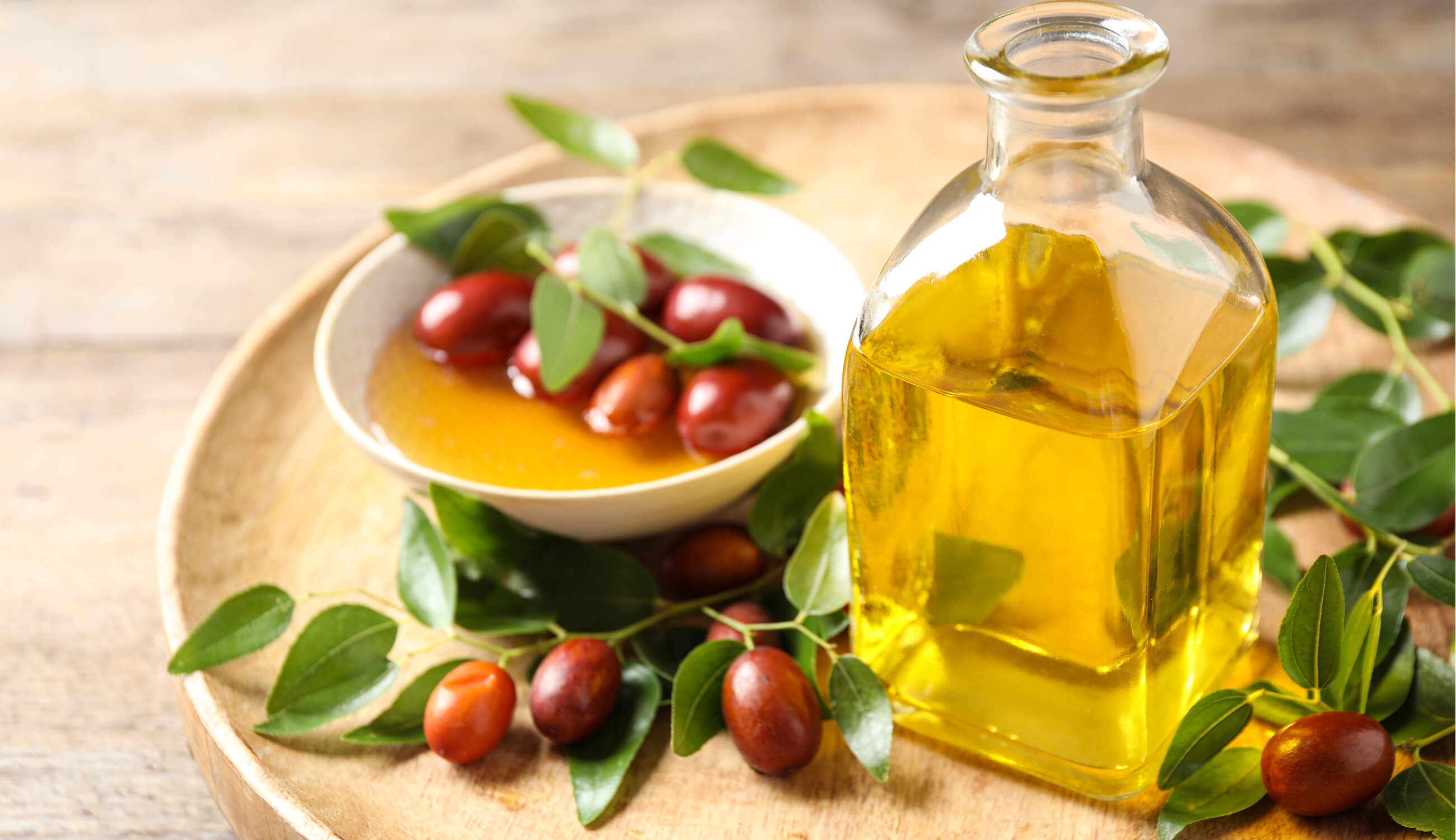
Jojoba oil comes from the seeds of the jojoba plant (Simmondsia chinensis)**, native to the deserts of Arizona, California, and northern Mexico. Indigenous communities have used jojoba for centuries to treat wounds, moisturize skin, and condition hair.
Extraction
The seeds are cold-pressed to produce a golden, odorless liquid. Unlike many oils, jojoba oil is highly stable and resistant to rancidity, giving it a shelf life of up to five years.
Nutritional Profile
Jojoba oil is rich in:
- Wax esters: Closely mimic human sebum, balancing skin’s oil production.
- Vitamin E: Antioxidant that protects against free radicals.
- B-complex vitamins: Support skin repair and regeneration.
- Minerals: Zinc and copper, essential for skin health.
- Antioxidants: Reduce inflammation and oxidative stress.
Benefits of Jojoba Oil

1. Skin Care
- Balances Oil Production: Because it mimics sebum, jojoba oil signals the skin to produce less oil, reducing shine and breakouts.
- Acne-Friendly: Non-comedogenic, meaning it won’t clog pores.
- Hydration: Locks in moisture, making it ideal for dry or combination skin.
- Anti-Aging: Improves elasticity, reduces fine lines, and supports collagen production.
- Healing: Soothes eczema, psoriasis, sunburn, and minor wounds.
2. Hair Care
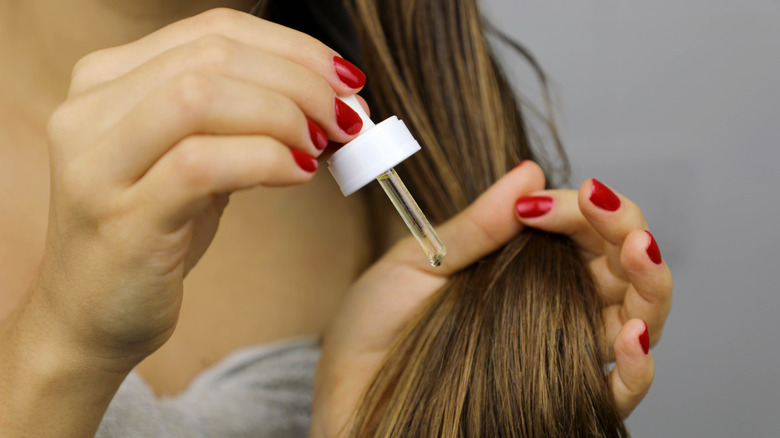
- Scalp Health: Clears dandruff, balances oil production, and soothes irritation.
- Strengthens Hair: Reduces breakage and promotes shine.
- Protects Against Damage: Shields hair from heat styling and UV exposure.
- Promotes Growth: By keeping follicles clear and nourished, jojoba oil may support healthier hair growth.
3. Nail & Cuticle Care
- Softens cuticles and prevents cracking.
- Strengthens brittle nails.
- Helps prevent fungal infections due to antimicrobial properties.
Jojoba Oil vs Other Oils
| Oil Type | Nutrients | Best Uses | Unique Benefit |
|---|---|---|---|
| Jojoba Oil | Wax esters, vitamin E | Skin, hair | Closest to human sebum |
| Argan Oil | Vitamin E, fatty acids | Skin, hair, cooking | Anti-aging + heart health |
| Coconut Oil | Lauric acid | Hair, cooking | Antimicrobial |
| Olive Oil | Oleic acid | Cooking, skin | Cardiovascular support |
| Almond Oil | Vitamin E, omega-9 | Skin massage | Gentle for sensitive skin |
How to Use Jojoba Oil
For Skin
- Apply directly as a moisturizer.
- Use as a natural makeup remover.
- Mix with essential oils for customized skincare.
- Apply to lips as a natural balm.
- Use as a massage oil for relaxation.
For Hair
- Massage into scalp to reduce dryness and dandruff.
- Apply to ends to prevent split ends.
- Use as a leave-in conditioner for shine.
- Mix with shampoo or conditioner for added hydration.
For Nails
- Rub into cuticles daily.
- Combine with lemon juice for nail strengthening.
For Beard Care
- Softens facial hair.
- Moisturizes skin beneath the beard.
- Prevents itchiness and flaking.
Sustainability & Ethical Sourcing
Jojoba plants thrive in arid climates with minimal water, making them a sustainable crop. They:
- Prevent desertification.
- Require little irrigation.
- Support eco-friendly farming practices.
Choosing organic jojoba oil ensures purity and supports environmentally responsible agriculture.
Practical Tips
- Storage: Long shelf life (up to 5 years) due to wax ester stability.
- Quality Check: Pure jojoba oil is golden and odorless.
- Patch Test: Always test before full use.
- Combination: Mix with argan or almond oil for enhanced benefits.
Frequently Asked Questions
Q1: Can jojoba oil be used daily? Yes, it’s safe for everyday use on skin and hair.
Q2: Is jojoba oil good for acne? Yes, it balances oil production and is non-comedogenic.
Q3: How long does jojoba oil last? Up to 5 years, longer than most natural oils.
Q4: Can men use jojoba oil? Absolutely. It’s excellent for beard care and scalp health.
Q5: Is jojoba oil safe during pregnancy? Yes, it’s natural and safe, often used to prevent stretch marks.
Q6: Does jojoba oil protect against sun damage? It helps soothe sunburn but should not replace sunscreen.
Q7: Can jojoba oil be mixed with other oils? Yes, it blends well with argan, almond, or essential oils.
Q8: Is jojoba oil edible? No, it is not typically consumed. It is primarily for cosmetic use.
Jojoba oil is one of nature’s most versatile skincare solutions. Its unique similarity to human sebum makes it ideal for balancing oily skin, soothing dryness, and strengthening hair. With sustainability benefits and a long shelf life, jojoba oil is a must-have in any natural wellness routine.
👉 Explore Craftiviti's refined jojoba oil today and unlock the secrets of nature’s perfect moisturizer.