

Introduction: The Magic of Argan Oil
Argan oil has earned the nickname “liquid gold” for good reason. Extracted from the kernels of the argan tree (Argania spinosa), native to Morocco, this nutrient-rich oil has been treasured for centuries. Traditionally used by Berber women for cooking, skincare, and hair care, argan oil is now a global wellness staple.
In this deep dive, we’ll explore:
- What argan oil is and how it’s made
- Its nutritional profile and scientific benefits
- How it compares to other oils
- Practical ways to use it for skin, hair, nails, and cooking
- Sustainability and ethical sourcing
What Is Argan Oil?
Origins
The argan tree grows almost exclusively in Morocco. Its fruit contains a nut, inside which are kernels. These kernels are cold-pressed to produce argan oil.
Types of Argan Oil
- Culinary Argan Oil: Lightly roasted kernels, producing a nutty flavor. Used in cooking and drizzling over dishes.
- Cosmetic Argan Oil: Cold-pressed without roasting, producing a lighter oil ideal for skin, hair, and nails.
Nutritional Profile
Argan oil is rich in:
- Vitamin E (tocopherols): Antioxidant that protects cells.
- Essential fatty acids: Oleic acid (omega-9) and linoleic acid (omega-6).
- Polyphenols & sterols: Anti-inflammatory compounds.
- Squalene: Natural moisturizer also found in human skin.
Benefits of Argan Oil
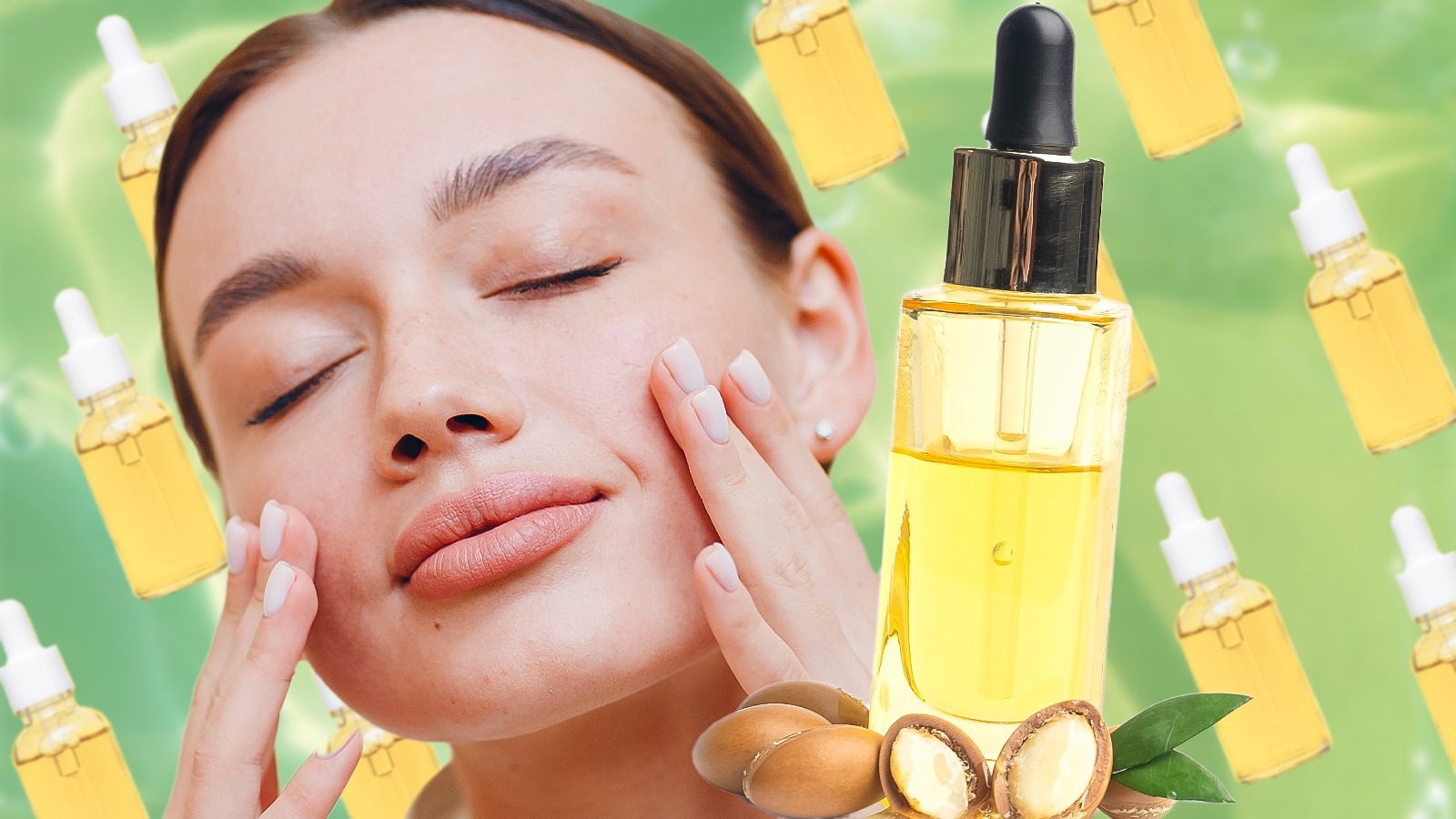
1. Skin Care
- Moisturization: Hydrates dry skin and improves elasticity.
- Anti-Aging: Reduces fine lines and wrinkles by boosting collagen.
- Healing: Promotes wound healing and reduces scarring.
- Protection: Shields against UV damage and environmental stressors.
- Conditions: Helps with eczema, psoriasis, and acne due to anti-inflammatory properties.
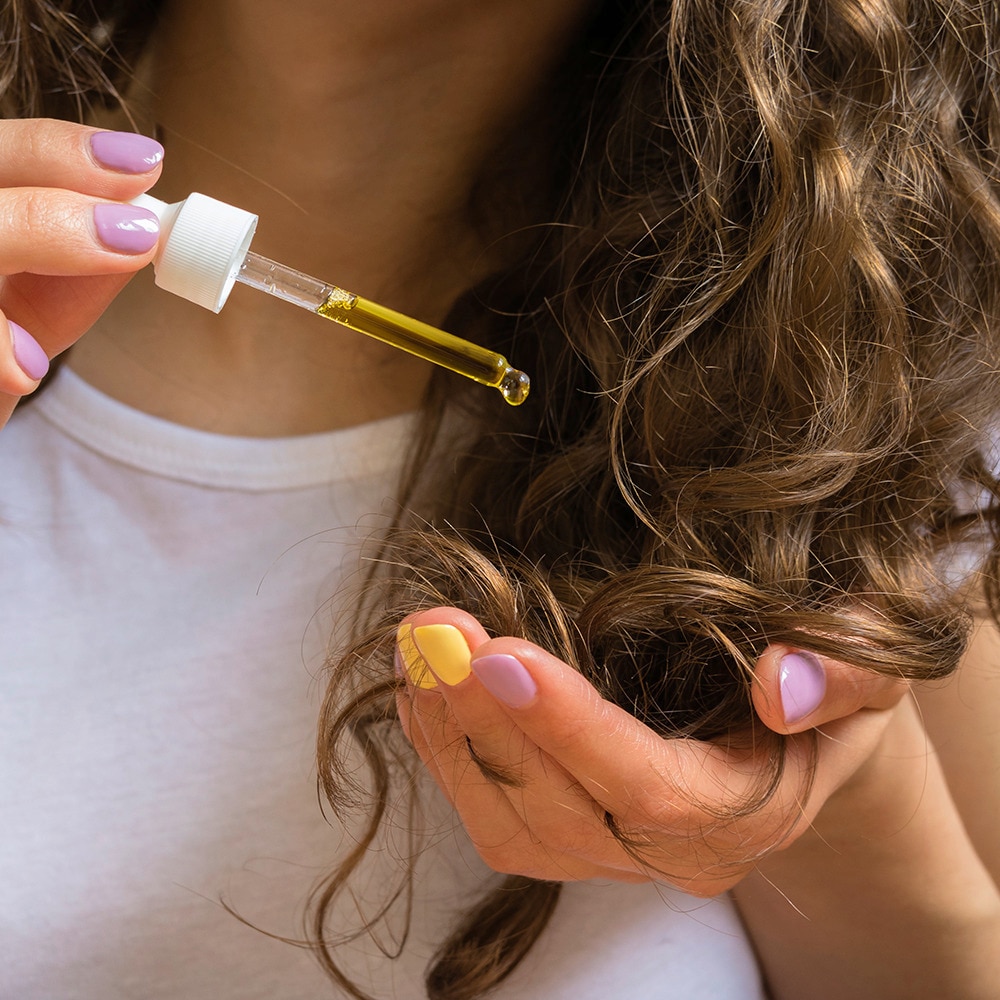
2. Hair Care
- Strengthens Hair: Reduces breakage and split ends.
- Adds Shine: Smooths frizz and enhances natural gloss.
- Scalp Health: Moisturizes dry scalp and reduces dandruff.
- Heat Protection: Shields hair from styling damage.
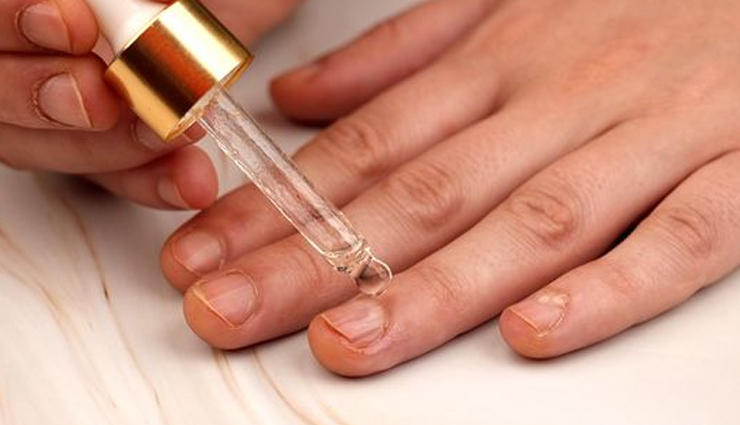
3. Nail & Cuticle Care
- Strengthens brittle nails.
- Softens cuticles and prevents cracking.
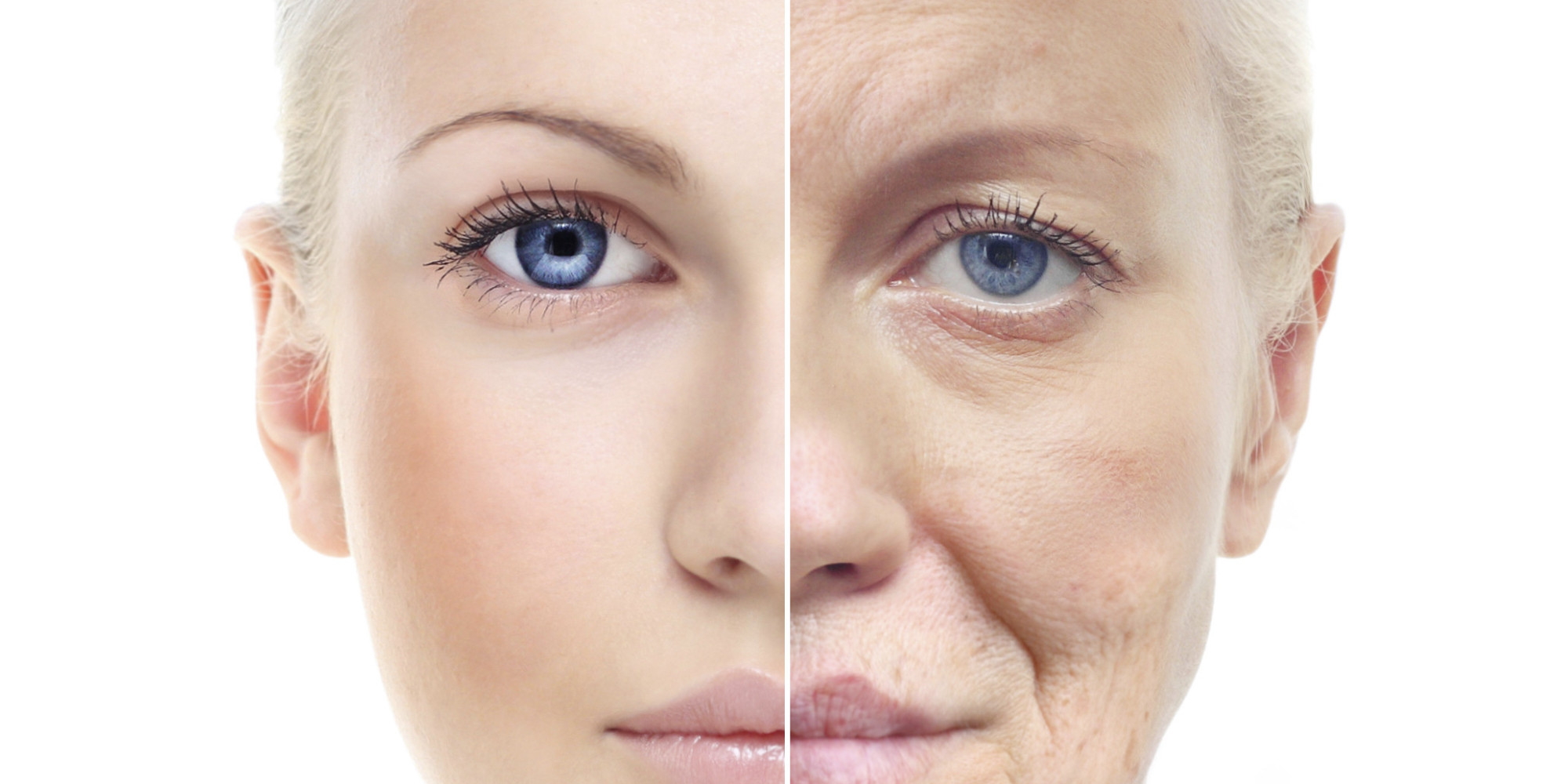
4. Anti-Aging & Healing
- Vitamin E and antioxidants fight free radicals.
- Supports wound healing and skin regeneration.
Argan Oil vs Other Oils
| Oil Type | Nutrients | Best Uses | Unique Benefit |
|---|---|---|---|
| Argan Oil | Vitamin E, oleic & linoleic acids | Skin, hair, cooking | Anti-aging + heart health |
| Coconut Oil | Lauric acid | Hair, cooking | Antimicrobial |
| Olive Oil | Oleic acid | Cooking, skin | Cardiovascular support |
| Jojoba Oil | Wax esters | Skin, hair | Closest to skin’s natural sebum |
| Almond Oil | Vitamin E, omega-9 | Skin massage | Gentle for sensitive skin |

How to Use Argan Oil
For Skin
- Apply 2–3 drops directly to face or body.
- Mix with moisturizer for added hydration.
- Use as a natural makeup remover.
- Add to bath water for full-body nourishment.
For Hair
- Massage into scalp to reduce dryness.
- Apply to ends of hair to prevent split ends.
- Use as a leave-in conditioner for shine.
- Mix with shampoo or conditioner.
For Nails
- Rub a drop into nails and cuticles daily.
- Combine with lemon juice for nail whitening.
For Cooking
- Drizzle over salads, couscous, or bread.
- Use in dips like amlou (Moroccan almond-argan spread).
- Avoid high-heat frying to preserve nutrients.

Sustainability & Ethical Sourcing
Argan oil production supports Moroccan communities, especially women’s cooperatives. These cooperatives:
- Empower women with fair wages.
- Preserve traditional extraction methods.
- Protect argan forests, which are UNESCO biosphere reserves.
By choosing certified organic and fair-trade argan oil, you support both ethical sourcing and environmental sustainability.

🧴 Practical Tips
- Storage: Keep in a cool, dark place. Shelf life: 12–24 months.
- Quality Check: Pure argan oil should be golden, slightly nutty, and absorb quickly.
- Patch Test: Always test on a small area before full use.
- Combination: Mix with essential oils for added benefits.
❓ Frequently Asked Questions
Q1: Can argan oil be used daily? Yes, both topically and in cooking.
Q2: Is argan oil safe during pregnancy? Yes, it’s natural and often used to prevent stretch marks.
Q3: How long does argan oil last? 12–24 months if stored properly.
Q4: Can men use argan oil? Absolutely. It’s excellent for beard care, scalp health, and skin hydration.
Q5: Is argan oil good for acne? Yes, its anti-inflammatory properties help reduce acne without clogging pores.
Q6: How is culinary argan oil different from cosmetic argan oil? Culinary oil is roasted for flavor; cosmetic oil is cold-pressed for purity.
Q7: Does argan oil protect against sun damage? Yes, it contains antioxidants that reduce UV-induced damage.
Q8: Is argan oil eco-friendly? Yes, when sourced from certified cooperatives, it supports sustainability.
✨ Conclusion & Call to Action
Argan oil is more than a beauty trend—it’s a nutrient powerhouse with centuries of tradition. From moisturizing skin and strengthening hair to supporting heart health and sustainable communities, argan oil truly earns its title as “liquid gold.”
👉 Explore Craftiviti's refined argan oil today and experience natural wellness, beauty, and sustainability in every drop.