

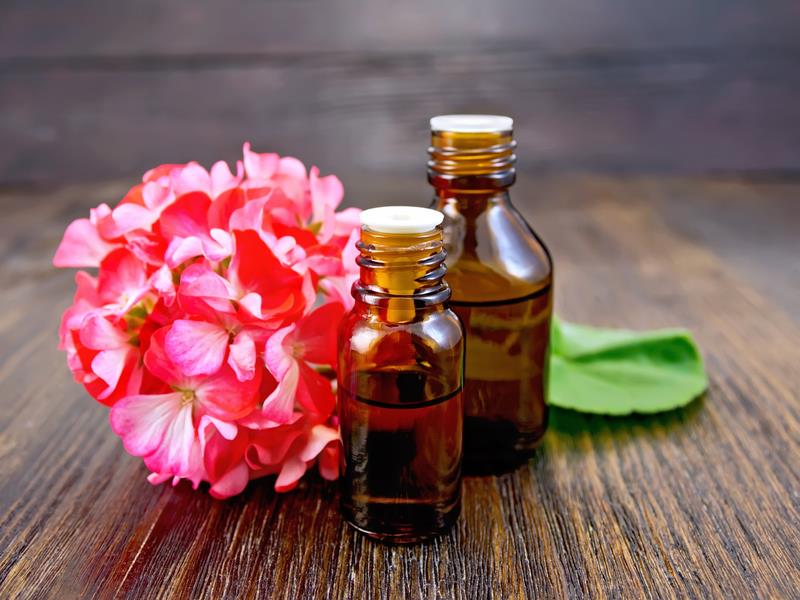
Essential oils have been cherished for centuries for their aromatic, therapeutic, and cosmetic benefits. Among the many botanical extracts available today, Geranium Essential Oil stands out as one of the most versatile oils for skincare, emotional wellness, hair care, and home aromatherapy.
Known for its beautifully balanced floral aroma with soft rosy and herbaceous notes, geranium essential oil has become a favourite among aromatherapists, skincare formulators, soap makers, and DIY enthusiasts alike. Beyond its pleasant fragrance lies an impressive chemical composition that contributes to its reputation as a multi-purpose essential oil.
In this deep dive, we'll explore everything you need to know about geranium essential oil, from where it comes from and how it's produced to its benefits, uses, safety tips, and why it's a valuable addition to your DIY collection.

What is Geranium Essential Oil?
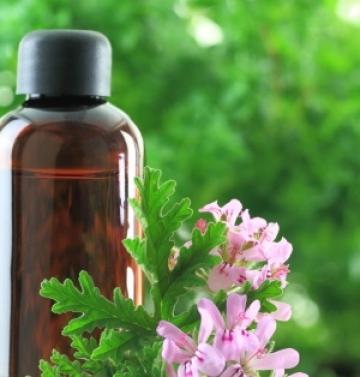
Geranium Essential Oil is extracted from the leaves, stems, and flowers of Pelargonium graveolens, a flowering plant belonging to the Geraniaceae family. Although commonly called "geranium," the plant used for essential oil production differs from the ornamental geraniums often seen in home gardens.
Native to South Africa, Pelargonium graveolens is now cultivated in countries such as Egypt, Madagascar, China, India, Réunion Island, Morocco, and France, where warm climates allow the plant to flourish.
The essential oil is highly valued for its fresh floral scent, often described as a blend of rose, citrus, mint, and green herbal notes. Because of its rose-like aroma, it is sometimes referred to as the "poor man's rose oil," offering a similar fragrance profile at a more affordable price.
How is Geranium Essential Oil Produced?
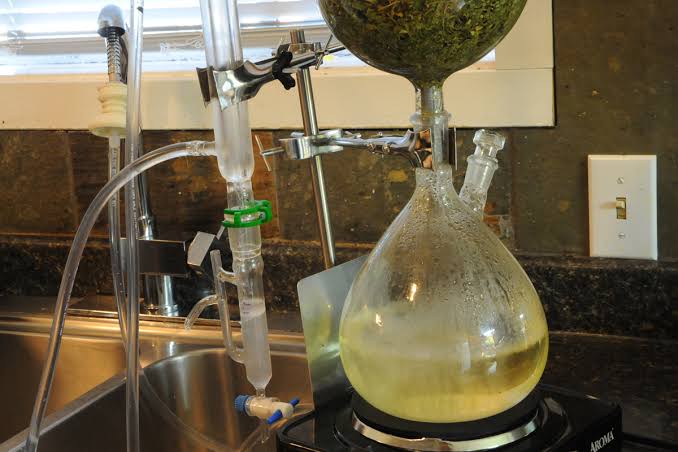
Geranium essential oil is primarily obtained through steam distillation.
Freshly harvested leaves, stems, and flowers are placed into a distillation chamber. Steam passes through the plant material, causing the aromatic compounds to evaporate. The steam and essential oil are then cooled and condensed back into liquid form.
Because oil and water naturally separate, the pure essential oil is collected while the remaining aromatic water, known as hydrosol, may be used in skincare or cosmetic formulations.
Steam distillation preserves many of the plant's natural aromatic compounds without using chemical solvents, making it one of the preferred extraction methods for high-quality essential oils.
The Botanical Profile
Botanical Name: Pelargonium graveolens
Plant Family: Geraniaceae
Plant Parts Used: Leaves, stems, flowers
Extraction Method: Steam Distillation
Appearance: Pale green to olive green liquid
Aroma: Sweet, floral, rosy, herbaceous with subtle citrus undertones
Perfumery Note: Middle note
Its balanced aroma allows geranium essential oil to blend harmoniously with many other essential oils.
The Chemistry Behind Geranium Essential Oil
The effectiveness of geranium essential oil comes from its naturally occurring plant compounds.
Some of its major constituents include:
Citronellol
Citronellol contributes the fresh floral fragrance that resembles roses. It is widely used in perfumery and personal care products.
Geraniol
Geraniol provides sweet floral notes while contributing to the oil's refreshing aroma.
Linalool
Linalool is found in many calming essential oils, including lavender. It contributes soft floral notes and is often associated with relaxation.
Citronellyl Formate
This ester helps create the smooth, pleasant scent profile while adding complexity to the aroma.
Isomenthone
Isomenthone introduces subtle minty and herbal nuances that balance the sweetness of the floral notes.
Together, these naturally occurring compounds create one of the most well-rounded floral essential oils available. 
Why is Geranium Essential Oil So Popular?
Geranium essential oil has earned a loyal following because it offers an impressive balance of beauty, versatility, and functionality.
Unlike some floral oils that are overpowering, geranium provides a fragrance that's both elegant and refreshing. It works equally well in skincare products, candles, soaps, perfumes, diffusers, massage oils, and DIY home care products.
Its versatility means one bottle can be used across dozens of different DIY projects.
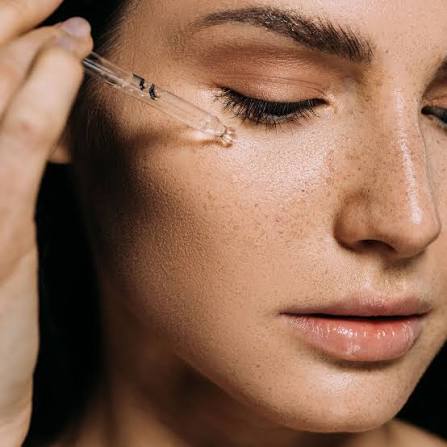
Benefits for Skincare
One of geranium essential oil's most popular applications is in natural skincare.
Its balanced aroma and compatibility with many carrier oils make it a favourite ingredient in facial oils, creams, serums, soaps, and lotions.
Geranium essential oil is commonly included in products formulated for:
- Mature skin
- Dry skin
- Combination skin
- Oily skin
- Sensitive skin (when properly diluted)
Because every individual's skin is different, it's important to remember that essential oils should always be diluted before topical use and patch-tested before widespread application.
Many formulators appreciate geranium essential oil because it complements a wide variety of botanical ingredients without overpowering the finished product.

Hair Care Applications
Geranium essential oil is also a popular ingredient in hair care.
You'll often find it in:
- Natural shampoos
- Hair conditioners
- Hair oils
- Scalp treatments
- Hair serums
Its pleasant floral scent provides a luxurious washing experience while blending beautifully with rosemary, lavender, peppermint, cedarwood, and tea tree essential oils.
Many DIY enthusiasts enjoy adding a few drops to carrier oils when creating nourishing scalp massage blends.

Aromatherapy Benefits
Perhaps one of geranium essential oil's greatest strengths lies in aromatherapy.
Its comforting floral aroma is frequently used to create calming, uplifting, and balanced environments.
Many people diffuse geranium essential oil during:
- Meditation
- Yoga
- Evening relaxation
- Reading
- Spa treatments
- Massage sessions
Because it blends sweetness with subtle herbal freshness, it creates an atmosphere that's both relaxing and refreshing without becoming overly floral.

Geranium Essential Oil in Soap Making
Soap makers love geranium essential oil for several reasons.
Firstly, its elegant floral scent creates luxurious handmade soaps without relying on synthetic fragrance oils.
Secondly, it pairs beautifully with natural colourants like pink clay, French green clay, rose petals, calendula, lavender buds, and botanicals.
Popular soap combinations include:
- Geranium & Lavender
- Geranium & Rose
- Geranium & Bergamot
- Geranium & Sweet Orange
- Geranium & Patchouli
These combinations create sophisticated artisan soaps suitable for everyday use or gifting.
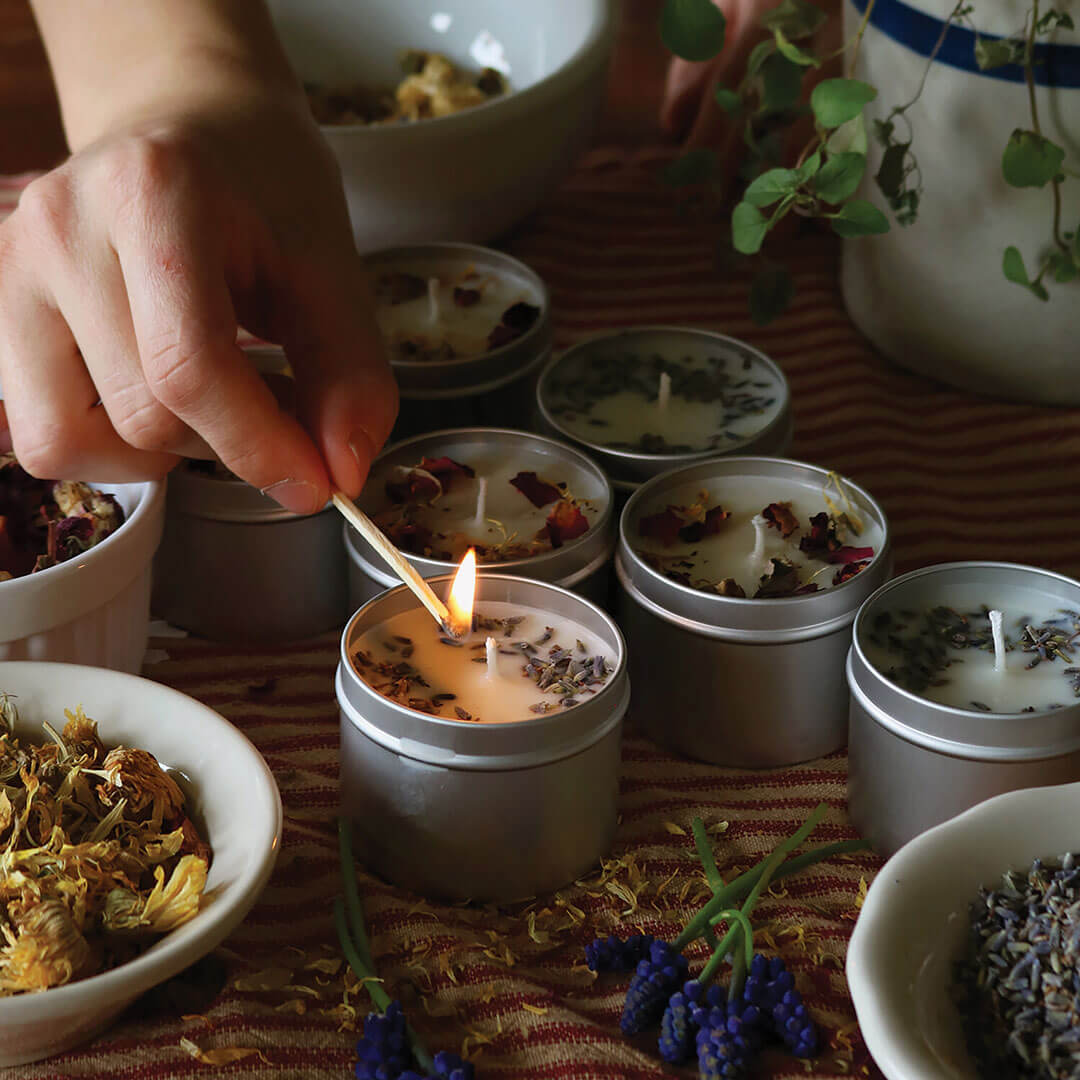
Candle Making with Geranium Essential Oil
Geranium essential oil also shines in natural candle making.
Its floral aroma fills a room with a soft, elegant fragrance that feels clean rather than overpowering.
Many candle makers combine geranium with:
- Lavender
- Lemon
- Grapefruit
- Bergamot
- Cedarwood
- Frankincense
- Ylang Ylang
When blended correctly, these combinations produce relaxing spa-inspired candles perfect for bedrooms, living rooms, or self-care routines.

DIY Beauty Recipes
Geranium essential oil can be incorporated into many handmade beauty products.
Popular projects include:
- Lip balms
- Body butter
- Lotion bars
- Facial oils
- Bath salts
- Sugar scrubs
- Body oils
- Massage blends
- Facial mists (when formulated correctly)
Its versatility makes it one of the most valuable oils for DIY skincare enthusiasts.

Safety Guidelines
Like all essential oils, geranium essential oil should be used responsibly.
Always remember:
- Dilute before applying to skin.
- Perform a patch test before first use.
- Avoid direct contact with eyes.
- Keep away from children and pets.
- Store in a cool, dark place.
- Consult a healthcare professional if pregnant, nursing, or under medical care before using essential oils.
Essential oils are highly concentrated, meaning only a few drops are usually needed.
Why Choose Yein&Young Geranium Essential Oil?
If you're looking for a premium essential oil for aromatherapy, skincare, soap making, or candle making, Yein&Young Geranium Essential Oil offers excellent versatility and quality.
Its beautiful floral aroma makes it suitable for beginners and experienced makers alike. Whether you're creating handmade soaps, relaxing candles, natural skincare products, or simply diffusing it after a long day, geranium essential oil adds elegance and sophistication to every project.
Pair it with other Yein&Young essential oils like Lavender, Tea Tree, Rosemary, Sweet Orange, or Peppermint to create personalised blends for your home or DIY creations.
Geranium Essential Oil is much more than a pleasant floral fragrance. Its rich botanical history, balanced aroma, and remarkable versatility have made it a favourite among aromatherapists, skincare formulators, soap makers, and DIY enthusiasts around the world.
From luxurious handmade soaps and nourishing skincare products to calming aromatherapy blends and beautifully scented candles, this timeless essential oil continues to inspire creativity and wellness.
Whether you're beginning your essential oil journey or expanding your collection, geranium essential oil is one of the most versatile and rewarding oils you can own. With just a few drops, you can transform everyday DIY projects into luxurious handmade creations while enjoying the naturally uplifting floral aroma that has been treasured for generations.