

When people think of skincare oils, they often imagine something heavy and greasy. Jojoba oil breaks that stereotype. In fact, it's one of the few plant oils that closely resembles the natural oils (sebum) our skin produces, making it incredibly versatile for both skincare and haircare.
Whether you're looking to soothe dry skin, balance oily skin, nourish your hair, or create your own DIY beauty products, jojoba oil deserves a place in your routine.
Let's explore everything you need to know about this remarkable botanical oil.

What Is Jojoba Oil?
Although commonly called an oil, jojoba oil is technically a liquid wax ester extracted from the seeds of the jojoba shrub (Simmondsia chinensis), a hardy desert plant native to North America.
This unique composition gives jojoba oil exceptional stability and makes it resistant to oxidation, meaning it has a naturally long shelf life compared to many other carrier oils.
Its lightweight texture and compatibility with human skin are what make it one of the most popular ingredients in cosmetics and personal care products.

Why Is Jojoba Oil So Special?
Unlike many plant oils that contain triglycerides, jojoba oil consists primarily of wax esters the same type of molecules naturally found in human sebum.
This means it can:
- Absorb quickly without leaving a greasy residue
- Help balance the skin's natural oil production
- Moisturise without clogging pores
- Support the skin barrier
- Suit almost every skin type
Because of this, jojoba oil is often recommended for people with:
- Dry skin
- Oily skin
- Combination skin
- Acne-prone skin
- Sensitive skin
- Mature skin
Benefits of Jojoba Oil for Skin
1. Deeply Moisturises Without Feeling Heavy
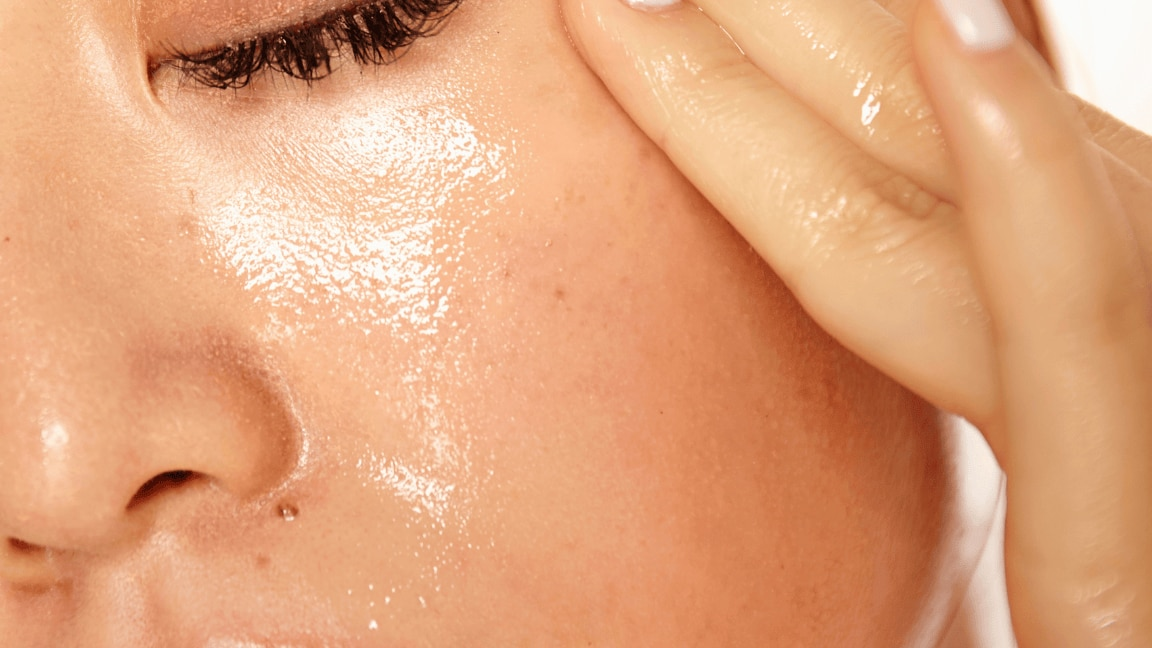
Jojoba oil forms a breathable protective layer that helps reduce moisture loss while allowing the skin to function normally.
Unlike heavier oils, it leaves the skin soft and smooth rather than sticky.
;Resize=(1280,712))
2. Helps Balance Oily Skin
Many people assume oily skin should avoid facial oils.
Ironically, jojoba oil may actually help balance excess oil because its composition is similar to natural sebum. Well-moisturised skin may produce less excess oil over time.
3. Supports the Skin Barrier
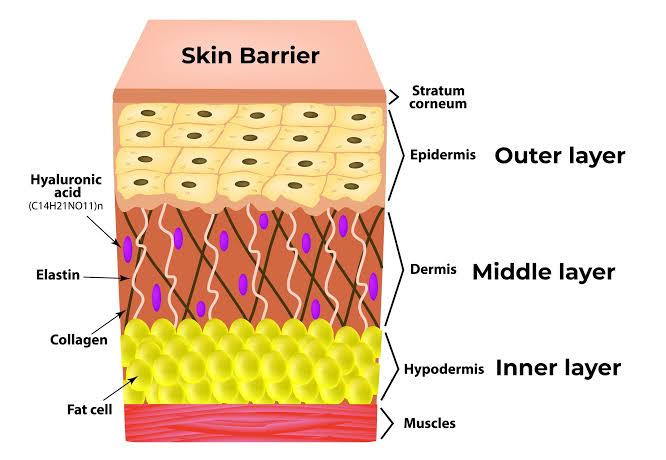
A healthy skin barrier protects against dehydration and environmental stressors.
Jojoba oil contains natural fatty acids and vitamin E that help keep the skin barrier healthy and resilient.

4. Rich in Antioxidants
Jojoba oil naturally contains:
- Vitamin E
- Natural antioxidants
- Plant sterols
These compounds help protect the skin from environmental damage caused by pollution and everyday oxidative stress.

5. Suitable for Sensitive Skin
Its gentle nature makes jojoba oil popular among individuals with sensitive skin who may react to more active ingredients.
When used correctly, it provides hydration without overwhelming delicate skin.

Benefits of Jojoba Oil for Hair
Jojoba oil isn't just beneficial for skin—it also works wonders for hair.
Moisturises Dry Hair
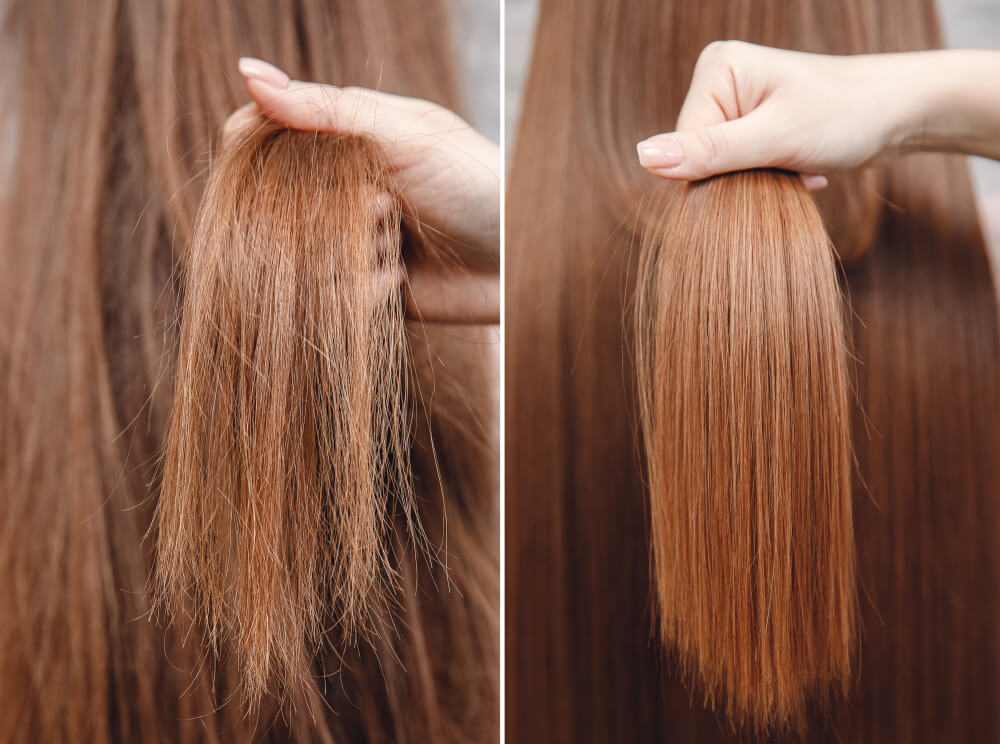
Apply a few drops to the ends of your hair to reduce dryness and improve softness.
Helps Reduce Frizz
A small amount smooths flyaways without making hair look oily.
Supports a Healthy Scalp
Massaging jojoba oil into the scalp helps moisturise dry areas while maintaining a comfortable scalp environment.
Adds Shine
Hair appears healthier, smoother, and naturally glossy after regular use.
Jojoba Oil for Nails & Cuticles
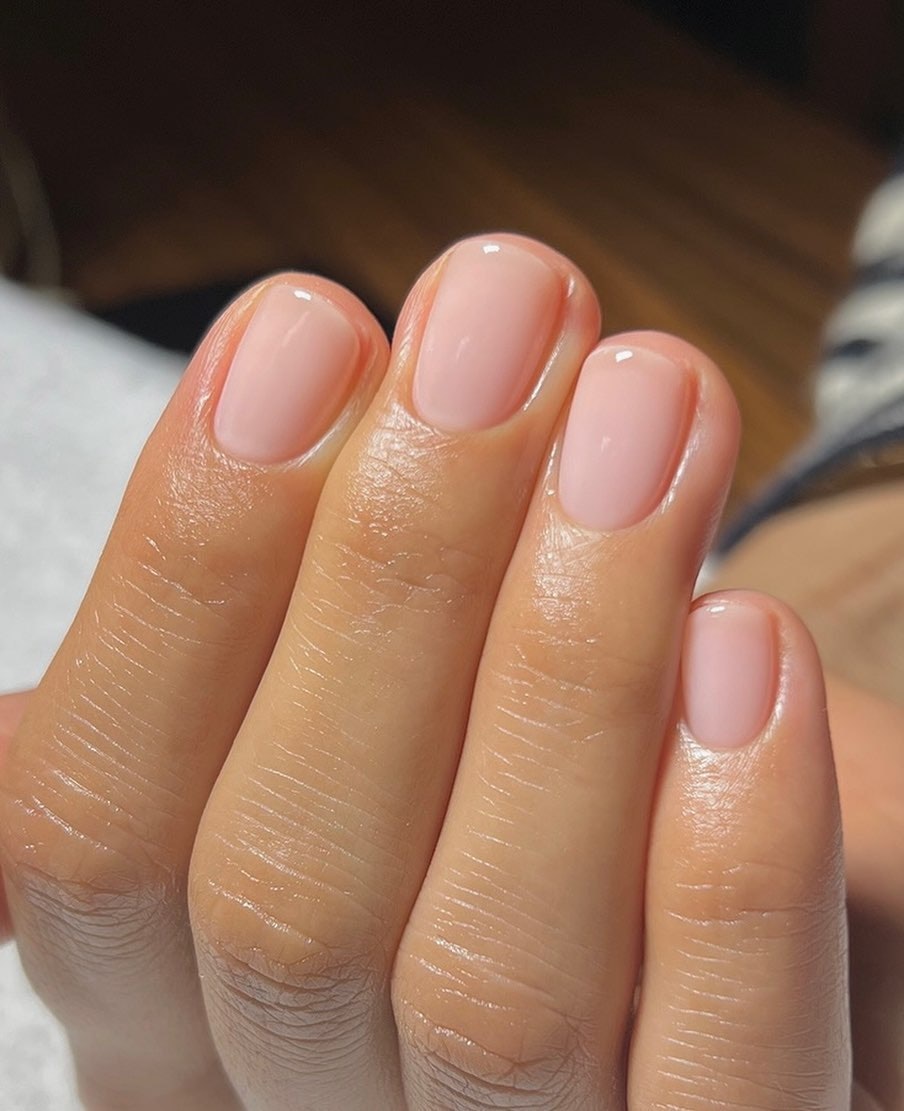
Dry, cracked cuticles can make your hands appear older than they are.
Massage one or two drops around each nail to:
- Soften cuticles
- Reduce dryness
- Improve nail flexibility
- Promote healthier-looking nails
How to Use Jojoba Oil

As a Facial Moisturiser
Apply 2–4 drops onto slightly damp skin after cleansing.
 As a Makeup Remover
Massage gently onto dry skin before wiping away makeup and following with your regular cleanser.
As a Hair Treatment
Massage into the scalp before shampooing or apply sparingly to dry ends after styling.

Can Jojoba Oil Be Used for Acne-Prone Skin?
Jojoba oil is considered non-comedogenic, meaning it's less likely to clog pores compared to heavier oils.
Its lightweight texture and similarity to natural sebum make it a popular choice for those with blemish-prone skin.
However, everyone's skin is different, so it's always wise to patch test before regular use.
Frequently Asked Questions
Is jojoba oil safe for daily use?
Yes. Most people can use jojoba oil every day as part of their skincare or haircare routine.
Can jojoba oil clog pores?
Jojoba oil is generally considered non-comedogenic and is well tolerated by many skin types.
Can I mix essential oils with jojoba oil?
Absolutely. Jojoba oil is one of the best carrier oils for diluting essential oils before topical application.
Is jojoba oil good for mature skin?
Yes. Its moisturising properties and antioxidant content help improve the appearance of dry, ageing skin.
Jojoba oil has earned its reputation as one of the most versatile natural beauty oils available. Its lightweight feel, long shelf life, and close resemblance to the skin's own natural oils make it an excellent choice for moisturising, balancing, and protecting both skin and hair.
Whether you're creating DIY skincare products, blending essential oils, or simply looking for a gentle everyday moisturiser, jojoba oil is a timeless ingredient that fits seamlessly into almost any beauty routine.
With consistent use and quality ingredients, this humble desert plant can become one of the most valuable additions to your natural wellness collection.