


Whether you’re pampering your skin or developing a powerful brand partnership, knowing the real difference between handmade and store-bought soap can make all the difference. This blog post explores the key contrasts, benefits & drawbacks, and adds the local touch of Craftiviti (based in Malaysia) so you can speak credibly to your audience.
Why This Matters
In today’s skincare-savvy world (especially with consumers in Malaysia and Southeast Asia), people care about skin health, ingredient transparency, sustainability, local craft vs mass production. Understanding the difference between handmade & commercial soap helps you navigate what your audience will value.
What We Mean by “Handmade Soap” vs “Store-Bought Soap”
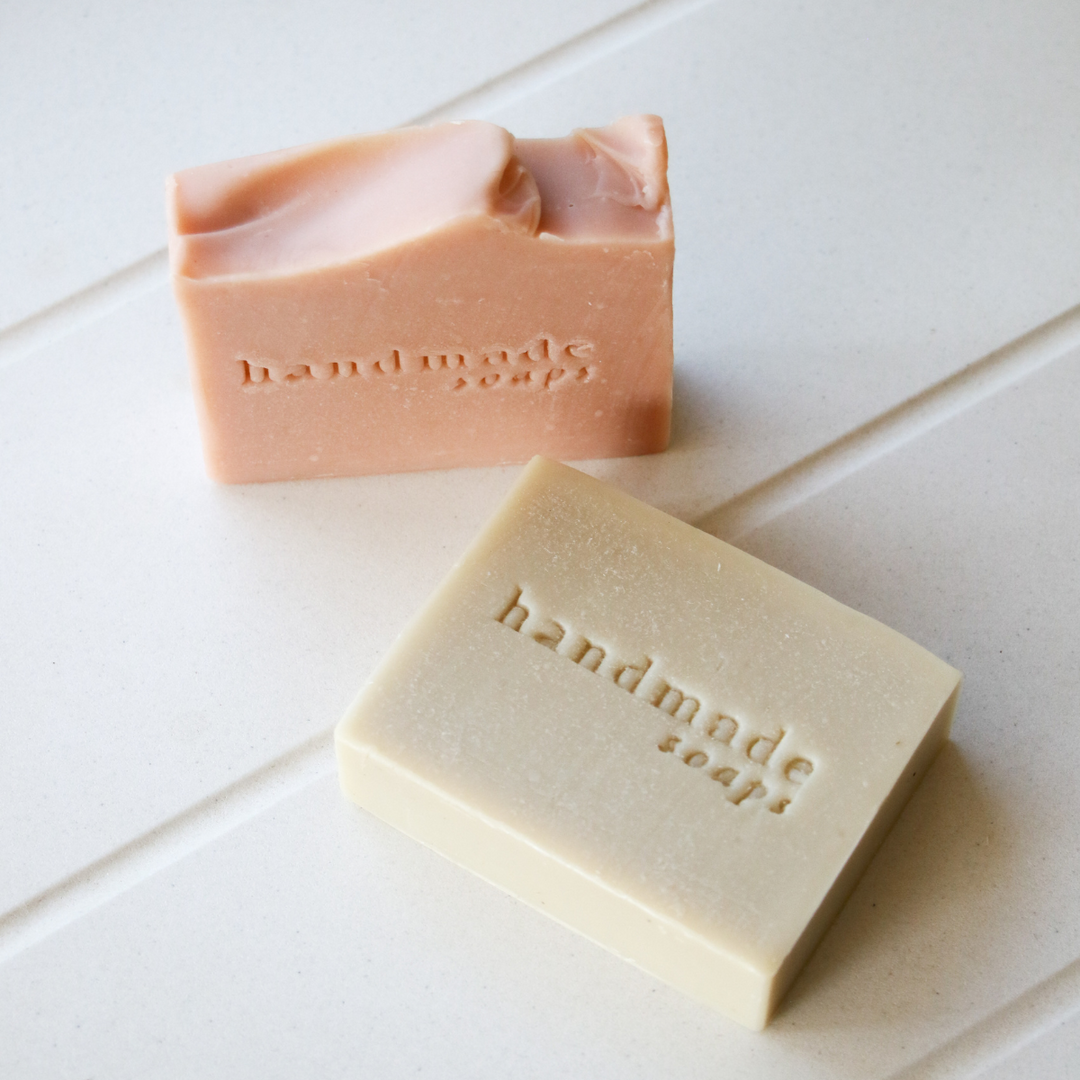
Handmade Soap
This refers to soap bars made in small batches, often by artisans, using thoughtful natural oils, butters, plant extracts and the classic saponification (oil + lye + water) process. The result tends to be richer, more nurturing on skin.
Store-Bought Soap (Commercial Bars)
These are mass-produced bars found in supermarkets, drugstores or big brands. They may prioritise cost, foam, shelf-life and may contain synthetic surfactants, artificial fragrances & dyes, or remove natural by-products like glycerin.
Key Differences & What They Mean for Your Skin
Ingredients & Glycerin Content
- Handmade soap often retains glycerin, the natural humectant formed during saponification, which helps skin stay hydrated.
- Mass-produced commercial bars sometimes remove or bypass glycerin (sometimes to sell it separately) and rely on harsher cleaning agents, which may strip your skin of its natural oils.
This means handmade bars often feel richer and gentler, while commercial ones might feel “clean” but also “tight” or dry afterwards.
Skin Feel & Moisturising Ability
- Handmade bars usually use high-quality oils (e.g., olive oil, coconut oil, shea butter) and fewer harsh surfactants, making them ideal for dry, sensitive or reactive skin.
- Commercial bars may use stronger cleansing agents (like sodium lauryl sulfate) and heavy fragrance – which can result in skin feeling stripped, tight, or irritated.
Customisation & Small Batch vs Mass Production
- Handmade soaps allow artisan freedom: unique scents, botanical inclusions, local ingredients. This creates story, uniqueness, premium feel.
- Commercial soaps prioritise consistency, cost control, shelf life which often means less differentiation, and less emphasis on ingredient story.
Chemical Exposure & Skin Safety
- Handmade or artisan brands often emphasise “no parabens, no synthetic fragrance, no harsh chemicals” (though you still must check ingredient list).
- Commercial bars might contain synthetic fragrance, dyes, preservatives, or chemicals added for foam, appearance or marketing appeal.
Environmental & Ethical Factors
- Handmade/local craft makers often have smaller supply chains, more sustainable packaging/manufacturing, local sourcing, less waste.
- Mass production may have less transparency around sourcing, more packaging waste, more synthetic inputs.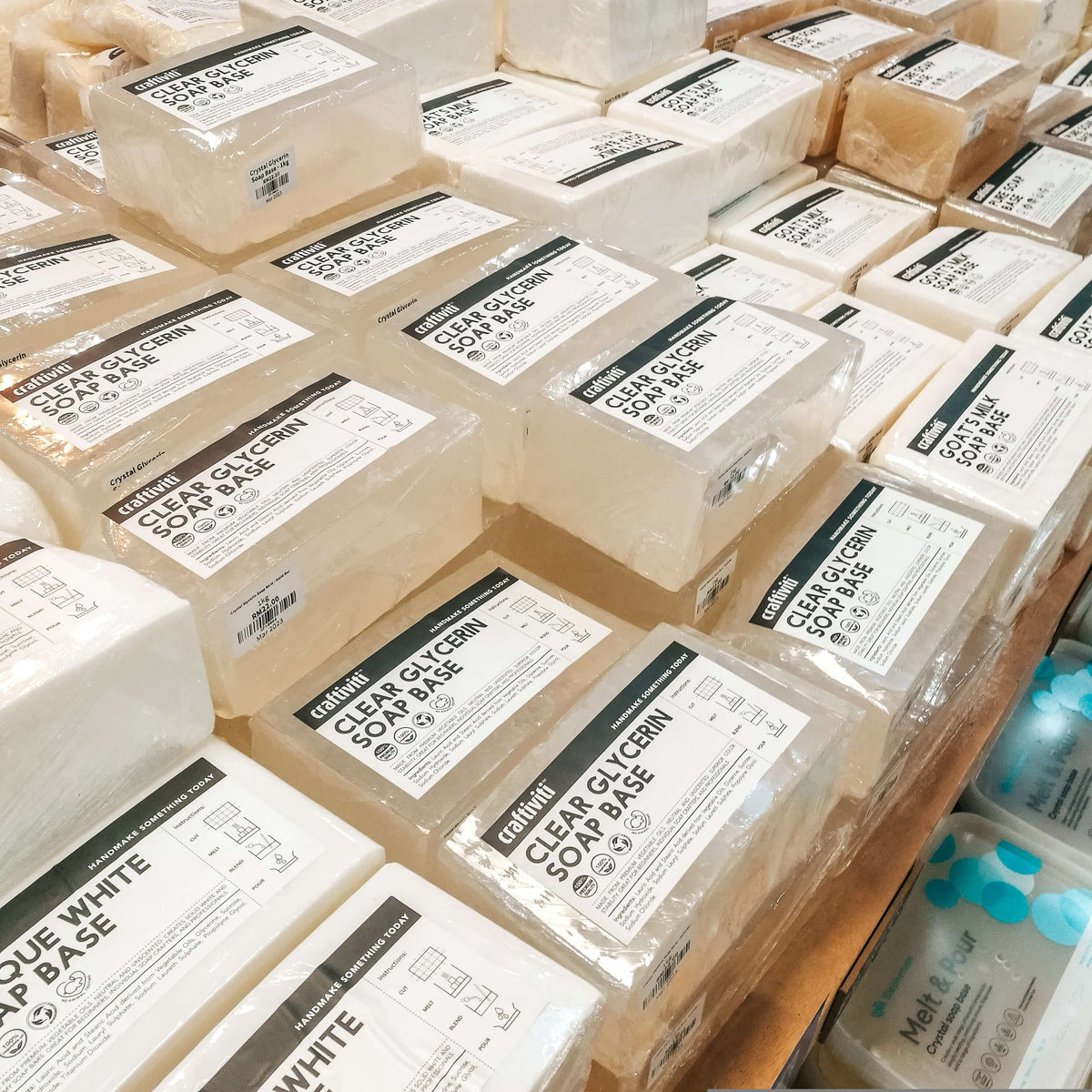
Spotlight on Craftiviti: The Local Artisan Connection
In Malaysia, Craftiviti offers a compelling local angle. They provide soap-making supplies, DIY kits, raw materials and even workshops in Petaling Jaya.
- Based at Unit S16 & S17, Second Floor, Centrepoint Bandar Utama, Petaling Jaya, Selangor.
- They emphasise safe, tested and trusted raw materials for craft making (soap, candles, bath bombs etc).
In practical terms:
- If you or your brand decide to highlight “handmade soap” in Malaysia, you could reference Craftiviti’s ecosystem of artisan supply, making the story locally relevant.
- Craftiviti also sells “soap bases” and tools for craft – which shows that handmade soap production (or small-batch) is accessible locally.
So Pros & Cons Side by Side
| Feature | Handmade Soap – Pros | Handmade Soap – Cons | Store-Bought Soap – Pros | Store-Bought Soap – Cons |
|---|---|---|---|---|
| Skin-friendly & gentle | High – natural oils, glycerin, fewer harsh chemicals | May cost more, less widely available in mass-retail | Broad availability, often lower cost | Can be harsher, may dry out skin, less premium feel |
| Ingredients transparency | High — artisan makers often list full ingredients | Quality varies – not all “handmade” are equal | Trusted brand names, consistent look | Ingredient lists may include synthetic or less desirable ingredients |
| Customisation / uniqueness | Very high – unique scents, local craft, storytelling opportunity | Smaller scale, may need special storage, less polish | Large variety, low barrier to purchase | Less differentiation; feels mass-produced |
| Sustainability/Ethics | Often better — local, small-batch, more eco options | Possibly higher price, limited access | Convenient, cheap | May have bigger environmental footprint, less local sourcing |
| Price / Accessibility | Premium feel, artisan value | Higher cost, less retail presence | Wide retail presence, budget options | Quality may be compromised for cost reduction |
| Shelf Life / Lather / Performance | Good quality bars can provide lovely creamy lather and rich feel | Some handmade bars may be softer, less “factory-hardened”, may require better storage | Long shelf life, foamy lather, variety of formulations | Foam doesn’t equal gentler; may strip skin oils |

What Does This Mean for Your Skin & Routine?
- If you have dry, sensitive or reactive skin, leaning toward a handmade bar (or at least one that emphasises natural oils and minimal harsh surfactants) is a smart choice.
- If you prioritise convenience & cost, a trusted commercial bar might suffice, but being aware of trade-offs (less natural, potential irritants) is important.
- Always check ingredients: even handmade bars can contain fragrance oils or dyes; likewise some commercial bars may be gentler than expected.
- If using local artisan workshop or craft-angle (via Craftiviti) you could also add a workshop/DIY element for consumer engagement.

Recommended Practical Tips (for Consumers & Brands)
- Read the label: If it says “cleansing bar” instead of “soap”, or lists many synthetic ingredients (e.g., SLS, silicates, heavy fragrance) it might be a commercial mass-produced product.
- Feel your skin after wash: If your skin feels tight, itchy or dry, the soap may be too aggressive or stripping.
- Look for ingredients like: glycerin, shea butter, coconut oil, olive oil, plant extracts – rather than generic “fragrance”, “colorant”, “SLS”.
- Storage matters: Handmade bars (especially if small-batch) may need a well-draining soap dish, less moisture, proper air flow to last longer.
- For brand collaborations: Emphasise storytelling — e.g., the artisan factor, local Malaysian ingredient sourcing, transparency in ingredient list — this resonates.
- Price vs value: Yes, handmade often costs more — but if you can communicate the value (better for skin, ethical, small batch, local) you’re adding brand equity.

So, is handmade soap always better? The answer is: most of the time yes, especially when skin health, ingredient purity and ethical production matter to you. However not every commercial bar is “bad”, and not every handmade bar is perfect either (ingredients and maker credentials still matter).
For your audience and your brand work: positioning a soap (or a bar) around the benefits of artisan, natural, skin-kind production gives you a strong narrative especially in the Malaysian market.
Visit our website at Craftiviti.com or check out our retail store at Craftiviti, Level 2, Centrepoint Bandar Utama.