

Introduction
In the world of scents, a fragrance mist offers a refreshingly light alternative to heavy perfumes perfect for everyday wear. At Craftiviti, our goal is to empower you to craft your own signature mist with confidence.
Below we’ll dive deep into the three key ingredients that make a well‑balanced fragrance mist: fragrance oil, denatured alcohol and distilled water. You’ll gain not only the what but the why behind each, plus practical advice on blending your own.

What is a Fragrance Mist?
A fragrance mist (sometimes called a body mist) is a lightly scented spray designed for everyday use. It typically has a lower concentration of fragrance oil compared to perfumes, making it gentler on the skin and ideal for fresh, frequent application.
Unlike heavier perfumes, mists offer a lighter scent profile and feel less intense which makes them perfect for warmer climates, fabric or linen use, and casual layering.
The Core Ingredients in a Fragrance Mist

1. Fragrance Oil
What it is:
Fragrance oil is the aromatic heart of your mist it may comprise natural essential oils, synthetic aroma compounds, or a blend of both. It’s what gives your mist its personality and scent presence.
Why it matters:
- It defines the scent: top notes, heart notes, base notes.
- Its concentration influences longevity, projection, and wear.
- Quality and compatibility dictate clarity, stability and skin‑safety.
Key considerations for Craftiviti:
- Use cosmetic‑grade fragrance oils that are safe for skin contact.
- For a mist format (not heavy perfume), aim for a modest fragrance oil percentage (for example around 2‑5% of total volume) so the scent is light yet perceptible.
- Choose oils that are soluble or dispersible in your carrier (alcohol + water) to avoid separation or cloudiness.
- Keep in mind allergen and regulatory guidelines (certain aroma chemicals may require disclosure or usage restrictions).
Role in the formula:
When you spray the mist, the fragrance oil (carried by the alcohol/water mix) disperses into fine droplets. The alcohol helps it project and evaporate, leaving the scent behind on the skin or fabric.

2. Denatured Alcohol
What it is:
Denatured alcohol (also called perfumer’s alcohol, SD alcohol, or ethanol denat) is ethanol made non‑potable via added denaturants; in our case it's used purely as a cosmetic carrier solvent.
Why it’s needed:
- Serves as a solvent to help fragrance oil mix into the aqueous base.
- Helps deliver the fragrance by enabling rapid evaporation—carrying scent into the air.
- Promotes clarity, stability and an elegant “mist” feel rather than oily or heavy sensation.
Key considerations for Craftiviti:
- Ensure the alcohol is appropriate for skin‑contact cosmetic use (high‑purity, minimal impurities).
- Balance the alcohol percentage: too high may feel drying or harsh, too low may compromise aroma delivery or clarity.
- In warm/humid climates (like Malaysia), a good alcohol ratio helps prevent stickiness or heavy feel.
- Be mindful of the initial “alcohol scent” on application—good branding can acknowledge this as part of the “fresh spray” effect.
Role in the formula:
In the Craftiviti mist, the alcohol dissolves the fragrance oil and then, upon spraying, helps the scent diffuse quickly. As the alcohol evaporates, what remains is the fragrance oil deposited on the skin or surrounding fabric.
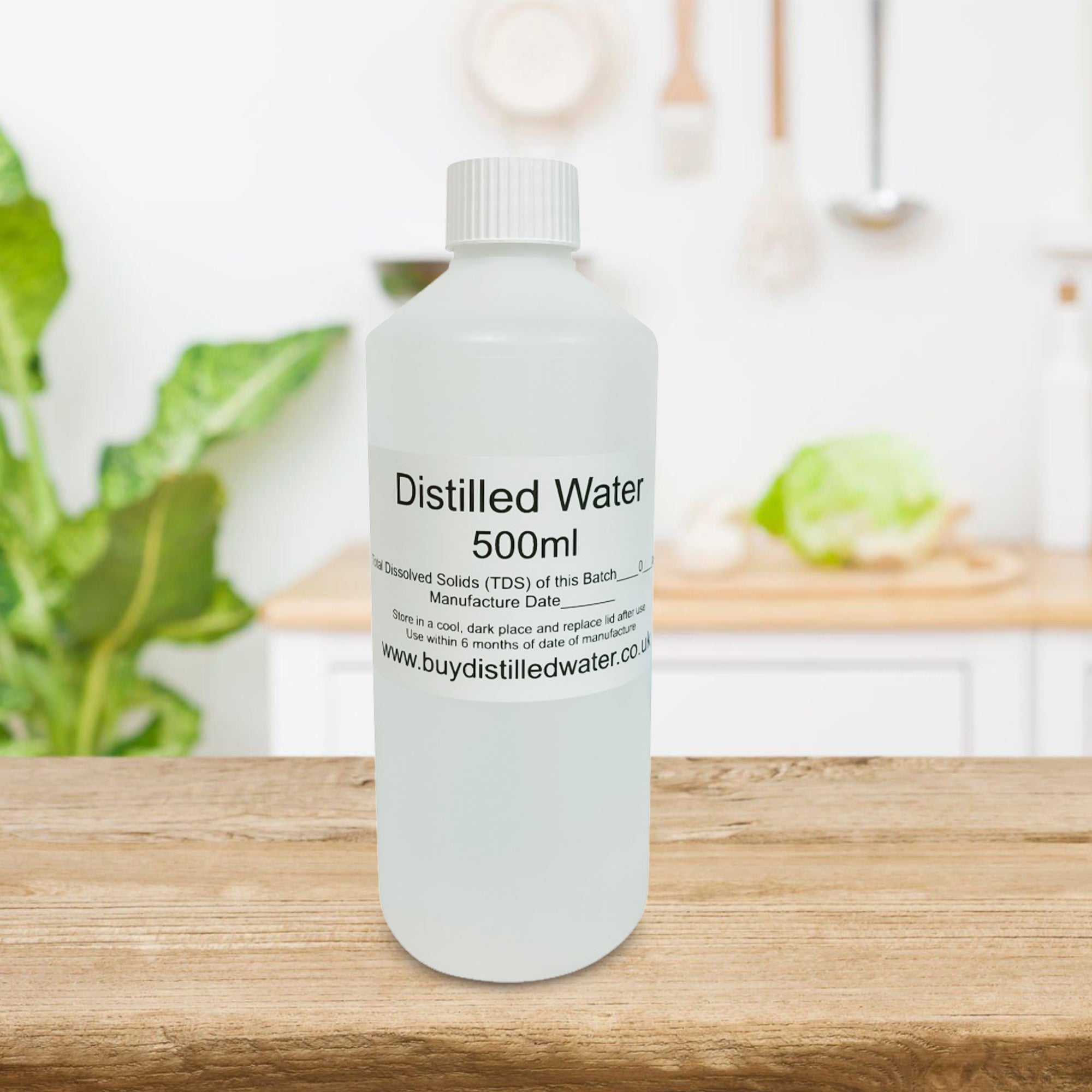
3. Distilled Water
What it is:
Distilled (or de‑ionised/purified) water is water with minerals, ions and many impurities removed. It is the cleanest water base for cosmetic use.
Why it is included:
- It dilutes the formula to achieve a lighter, sprayable mist rather than concentrated perfume.
- Helps provide a fresh, soft feel on skin, especially beneficial for body/linen mists.
- Keeps production cost moderate while maintaining fragrance performance.
- Minimises impurities that could cause cloudiness, precipitates or microbial issues.
Key considerations for Craftiviti:
- Use high‑quality distilled water to avoid mineral sediments or bacterial growth.
- Because it’s an aqueous base, if your water percentage is high and alcohol lower, you may need to add a preservative or ensure the alcohol level is sufficient to inhibit microbes. Some DIY guides emphasise this when using water‑heavy bases.
- Test clarity and stability: after mixing, store your mist for a day or two and check for separation, haze or sediment.
- In warm climates, packaging matters (dark bottle, cool storage) to maintain integrity.
Role in the formula:
Once the fragrance oil is dissolved in alcohol, distilled water is added to bulk up the volume, create a sprayable texture, and ensure the mist feels light and comfortable on skin/fabrics.

Putting the Ingredients Together – Craftiviti’s Simple Mist Formula
Here’s how you can bring these ingredients into a functional, appealing fragrance mist for your Craftiviti brand.
Suggested ratio (beginner friendly):
- Fragrance oil: ~2‑5% of total volume
- Denatured alcohol: ~15‑30% of total volume (depending how “spray‑style” you want)
- Distilled water: remainder (~65‑80%)
Example for 100 mL final volume:
- Fragrance oil: ~3 mL
- Denatured alcohol: ~20 mL
- Distilled water: ~77 mL
Step‑by‑Step Method:
1. Sanitize your workspace and all equipment (measuring cups, glassware, spray bottles).
2. Measure the fragrance oil and add to a mixing container.
3. Add the denatured alcohol and gently stir until the fragrance oil is fully dissolved (check for clarity and no visible droplets).
4. Slowly add the distilled water, stirring gently to mix well.
5. Transfer the solution into a clean spray bottle. Leave a little head‑space to allow shaking before use.
5. Label with scent name, batch date, ingredients list, usage instructions.
7. Let the bottle rest for 24–48 hours (optional) to let the scent “settle” and any bubbles dissipate.
8. Test: spray a little on skin/fabric; evaluate the scent projection, feel (dry‑down), clarity and skin reaction (patch test if new oils used).
9. Package appropriately and store in a cool, dry place away from direct sunlight.
Tips for Craftiviti success:
- Emphasise “light everyday mist” in your branding — this differentiates from heavy perfumes.
- Use fine‑mist spray atomisers for a desirable user experience.
- Use transparent or lightly tinted bottles so customers can see the product—but consider tinted if scent oils are sensitive to light.
- Highlight that you’ve kept the formula minimal and clean (just fragrance oil + alcohol + water) for customers who appreciate transparency.
- Recommend application to skin AND fabric/linen for versatility (many mists are used for both).
- Educate customers that due to the lighter concentration, reapplication may be needed throughout the day—position this as benefit (refresh anytime) rather than limitation.

Why This Simple Three‑Ingredient Formula Works for Craftiviti
- Simplicity: Less is more. A minimal formula appeals to DIY lovers and customers who appreciate transparency.
- Flexibility: Your fragrance oil becomes the star variable—once you have the alcohol + water base in place, you can vary scents easily.
- Cost‑effectiveness: Water helps keep volume up, allowing you to keep pricing accessible while delivering a quality experience.
- Market fit: In hot, humid climates (such as Malaysia), light mists are more wearable than heavy perfumes; they feel fresh, not overwhelming.
- Brand story: Positioning as “crafted by you” reinforces the handmade, creative ethos and resonates with artisan/DIY audiences.
Safety and Caveats
- Even though it’s light, fragrance oils can still contain potent aroma chemicals—ensure your fragrance oils comply with cosmetic safety/inclusion guidelines (e.g., IFRA limits) and always patch test on skin.
- If your water percentage is high and alcohol low, microbial growth is a risk—either ensure sufficient alcohol content or include a preservative if selling commercially. If making for home use, blend in small batches to maintain freshness.
- In hot/humid climates, make sure your product is stored properly (cool, not in direct sunlight), and inform customers accordingly.
- Labeling matters: mention ingredients, usage directions, date of blend, caution (e.g., for external use only, avoid eyes, flammable due to alcohol).
- Consider shelf‑life: even minimal formulas may degrade (fragrance oils oxidise over time), so include a best‑before or batch‑code date if commercialising.
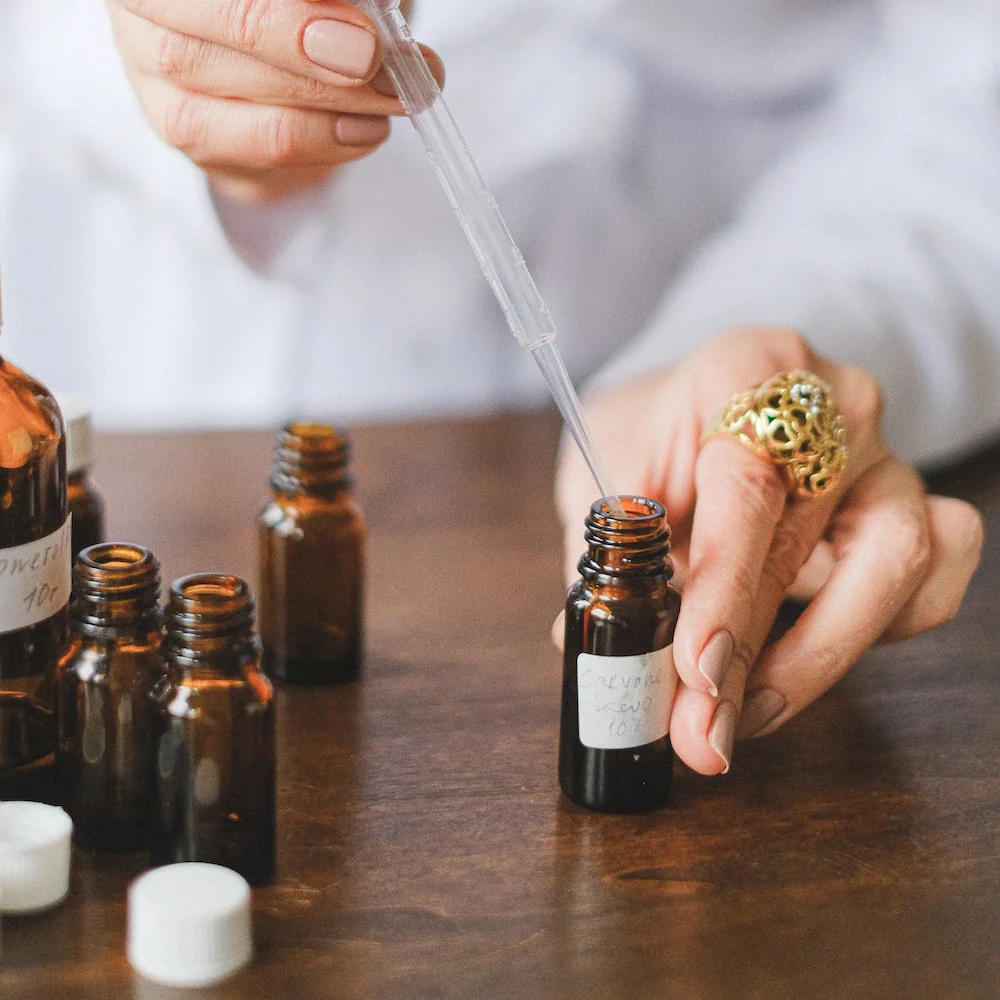
At Craftiviti, we believe crafting your own fragrance mist should be as fun as it is elegant—and with the right three ingredients (fragrance oil, denatured alcohol, distilled water), you’re well on your way to creating an everyday luxury.
By understanding the why behind each component, applying thoughtful ratios, and following clean manufacturing steps, you’ll deliver a product that smells beautiful, feels great, and aligns with craft‑brand authenticity.
Whether you're making one for yourself or packaging up a line of artisan mists, keep consistency, transparency, and quality front of mind. And remember: while the formula is simple, the scent is your signature. Happy crafting!