

Formulating a successful Cold Process (CP) lotion begins with selecting the right oils and butters. These ingredients not only define the texture and absorption of your product but also influence its moisturizing properties, shelf life, and skin feel. Whether you're an experienced formulator or just starting your skincare line, understanding how to choose the best oils and butters for CP lotions is essential.
In this guide, we’ll explore the best oils and butters for cold process lotions, how to balance them in a formula, and tips to make your lotion stand out.

What is Cold Process Lotion?
Unlike hot process lotions, Cold Process (CP) lotions are emulsified at room temperature or with minimal heat. This method helps preserve the nutrients in natural oils and butters, making it ideal for formulations that focus on skin-loving ingredients and natural skincare benefits.
Because you're not heating the ingredients to high temperatures, it's critical to use stable, compatible oils and butters that blend well and offer lasting hydration without separation.

Why Choosing the Right Oils and Butters Matters
* Texture & Absorption: The consistency of your lotion depends on the fatty acid profile of the oils and butters.
* Skin Type Compatibility: Dry, oily, sensitive, or acne-prone skin may react differently to various oils.
* Shelf Life: Some oils oxidize faster than others, affecting product stability.
* Sensory Feel: From greasy to silky, the right combination creates a luxurious user experience.
* Marketing Appeal: Exotic butters or oils can boost your product’s appeal in a crowded market.
Top Oils for Cold Process Lotion
Let’s break down some of the most effective oils used in CP lotion formulations, including their skin benefits and formulation tips.
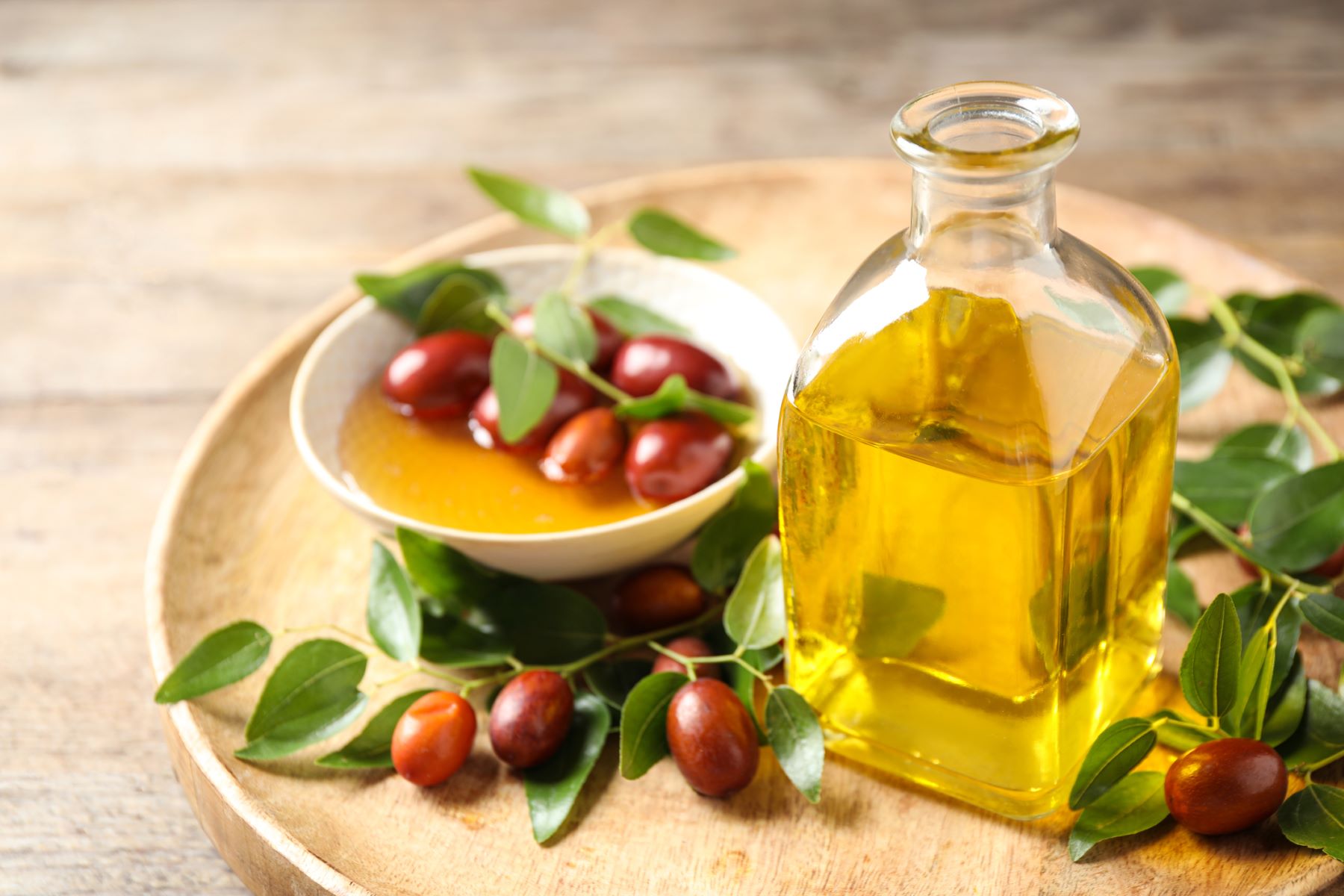
1. Jojoba Oil
* Skin Type: All, especially oily and acne-prone
* Benefits: Closely mimics skin’s natural sebum; non-comedogenic
* Texture: Light, non-greasy
* Use Level: 2–10%
*Why It’s Great: Highly stable and excellent for emulsions; adds a luxurious silky feel.
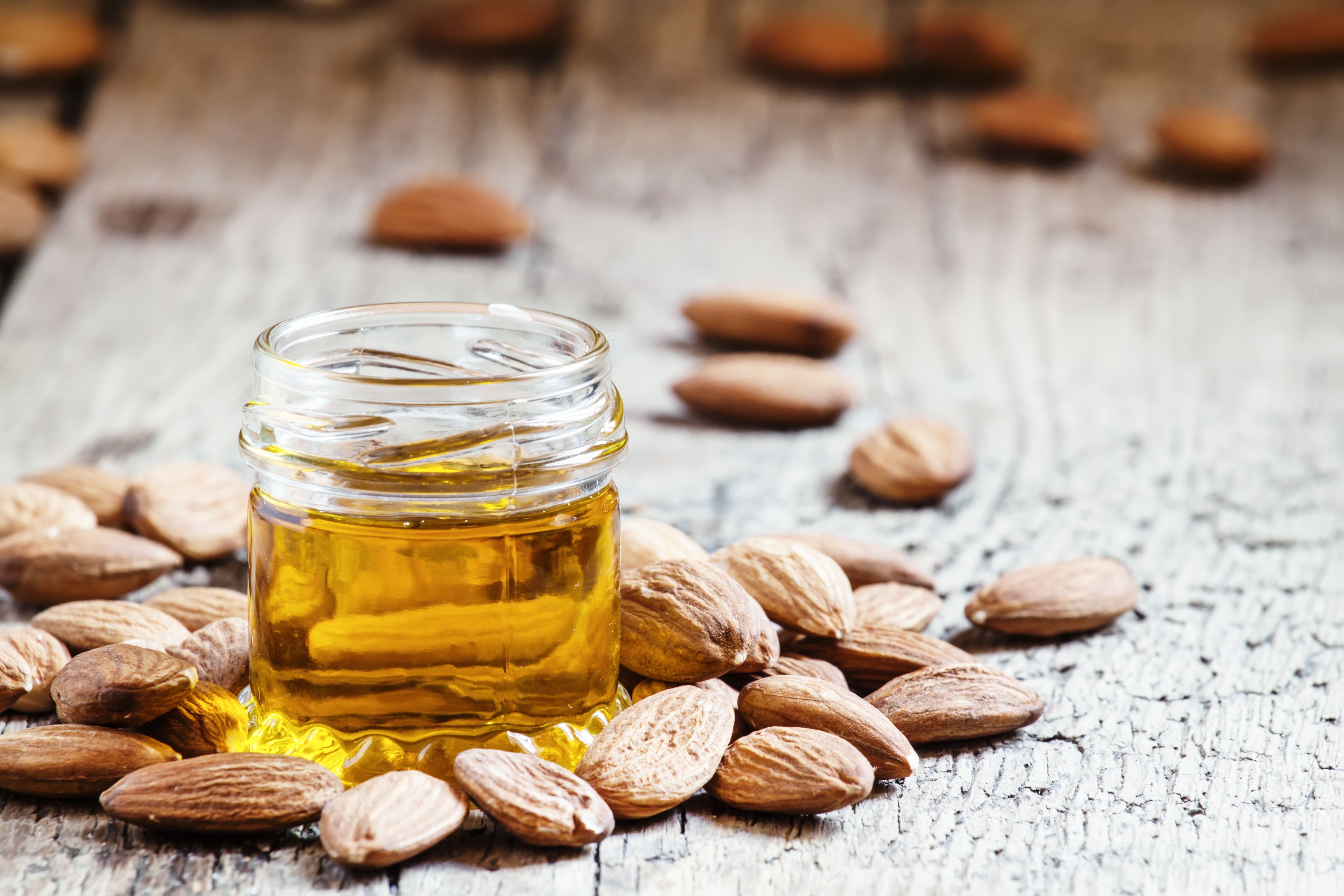
2. Sweet Almond Oil
* Skin Type: Dry, sensitive
* Benefits: Rich in vitamin E, nourishes and softens skin
* Texture: Light to medium
* Use Level: 5–15%
* Tip: Combine with heavier butters to balance greasiness.
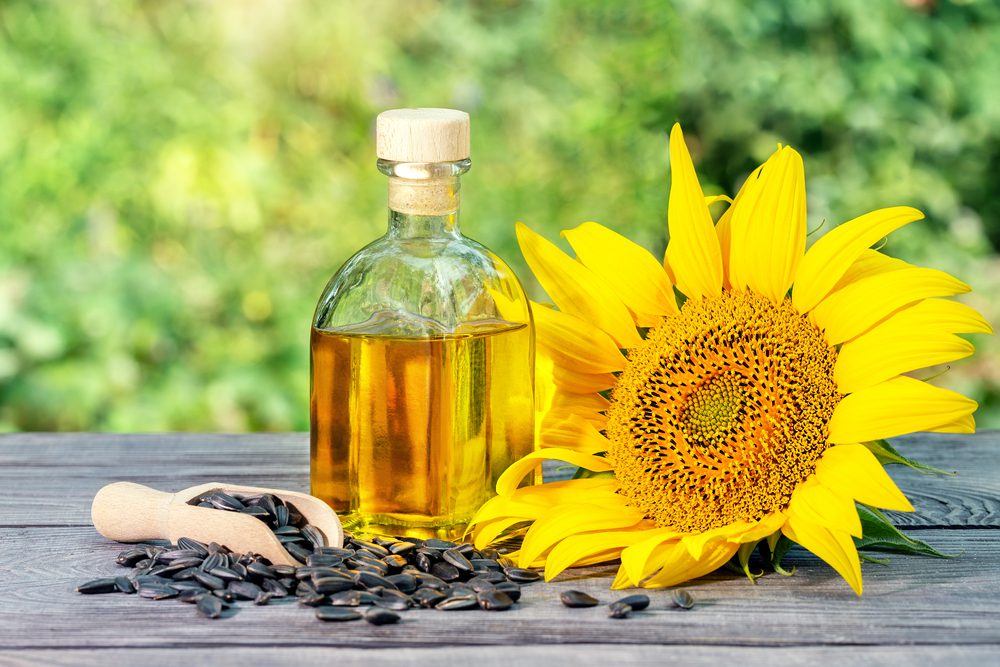
4.Sunflower Oil (High Oleic)
* Skin Type: All
* Benefits: Rich in linoleic acid; anti-inflammatory
* Texture: Light, fast-absorbing
* Use Level: 5–20%
* Why It’s Ideal: Affordable, stable, and boosts skin barrier repair.
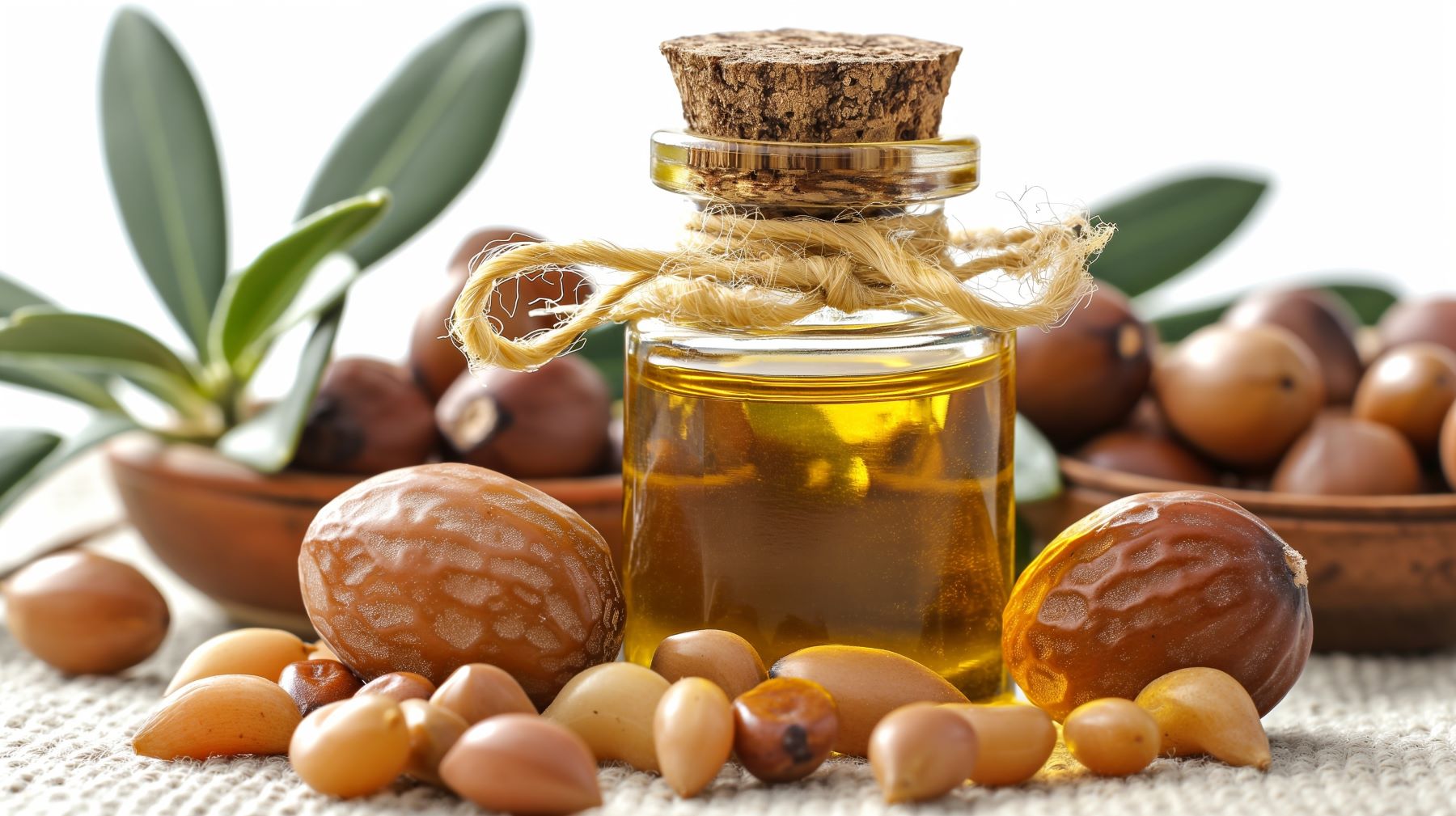
5. Argan Oil
* Skin Type: Mature, dry, sensitive
* Benefits: High in vitamin E and essential fatty acids
* Texture: Medium, slightly oily
* Use Level: 1–5%
* Pro Tip: Use sparingly due to cost; excellent as a luxury addition.
:max_bytes(150000):strip_icc()/coconut-oil-and-coconuts--palm-branches-close-up-1314573256-db8f4eab6c77432ca4470672ee6b4ecf.jpg)
6. Fractionated Coconut Oil
* Skin Type: All, especially oily
* Benefits: Non-comedogenic version of coconut oil
* Texture: Light, silky
* Use Level: 5–15%
* Good For: Non-greasy finish; stable in CP lotions.
Best Butters for Cold Process Lotions
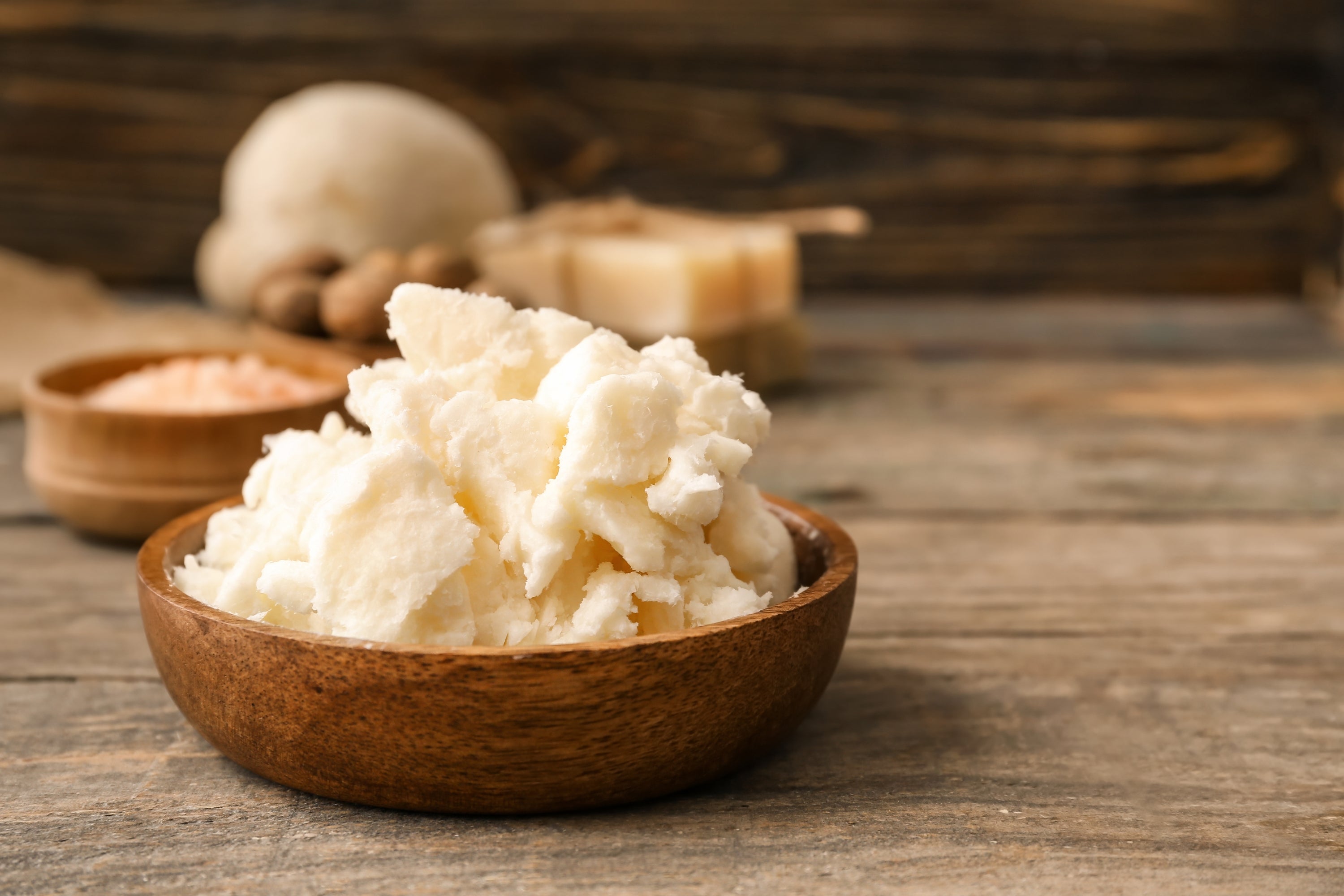
1. Shea Butter (Refined or Unrefined)
* Skin Type: Dry, sensitive, eczema-prone
* Benefits: Deeply moisturizing, rich in vitamins A & E
* Texture: Thick and creamy
* Use Level: 3–10%
* Tip: Refined version has a milder scent; easier to emulsify in CP lotions.
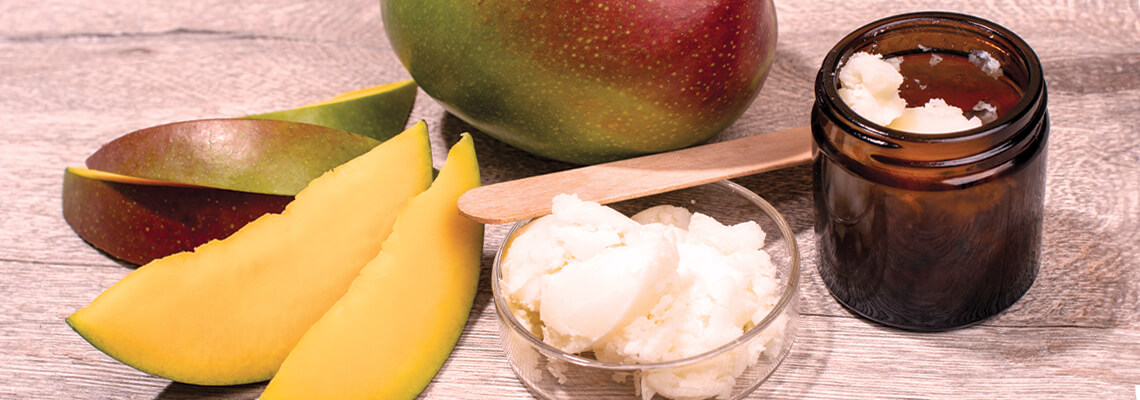
2. Mango Butter
* Skin Type: All, especially combination or acne-prone
* Benefits: Lightweight, non-comedogenic, soothing
* Texture: Firm but melts easily
* Use Level: 3–8%
* Why It’s Great: Adds richness without heaviness.
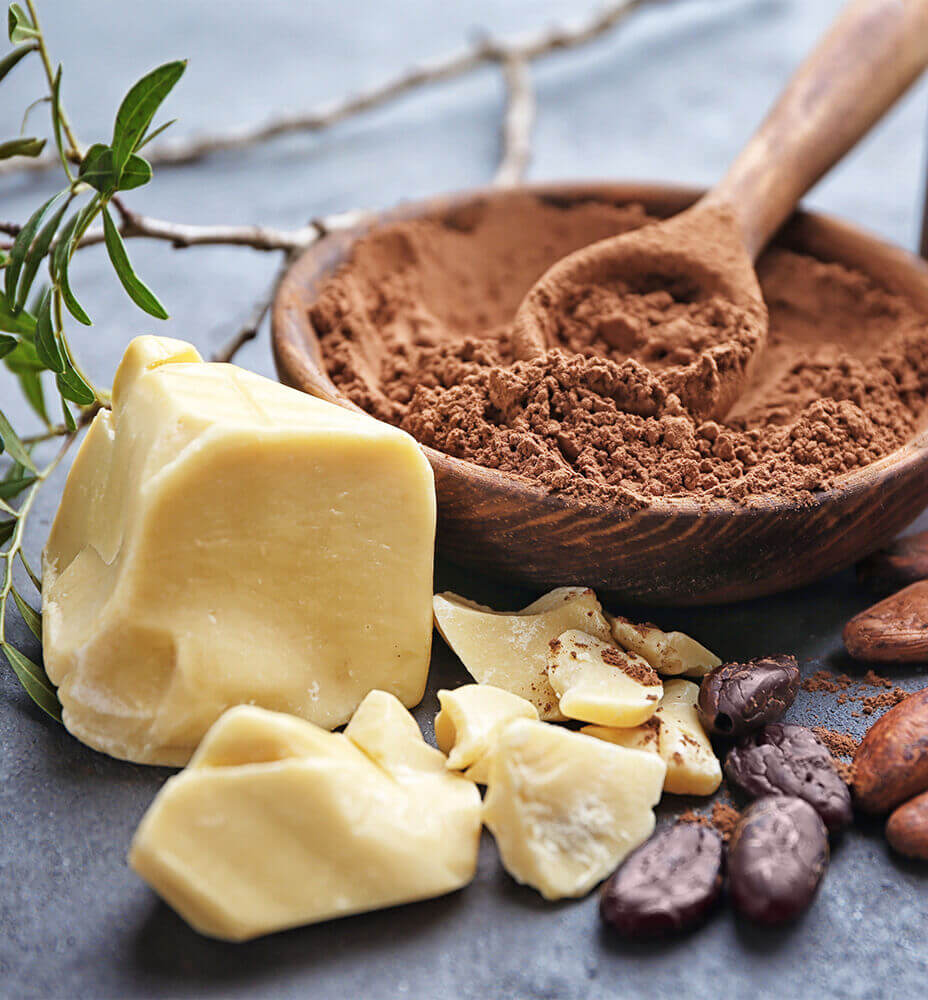
3. Cocoa Butter
* Skin Type: Dry, mature
* Benefits: Excellent barrier repair, smells like chocolate
* Texture: Hard, solid
* Use Level: 2–5%
* Caution: Too much can make the lotion heavy or greasy.
4. Cupuaçu Butter
* Skin Type: Dry, damaged, or irritated skin
* Benefits: Superior moisture retention, antioxidant-rich
* Texture: Soft and creamy
* Use Level: 1–5%
* Bonus: Provides a luxurious, velvety finish.
How to Choose the Right Oil-Butter Combination
The key to a successful lotion is balance. Here's how to approach it:
| Goal | Recommended Oils/Butters | Ratio |
|---|---|---|
| Light, fast-absorbing lotion | Sunflower oil, Jojoba oil, Mango butter | 90% oils : 10% butter |
| Rich, ultra-moisturizing lotion | Argan oil, Shea butter, Cocoa butter | 70% oils : 30% butter |
| Acne-prone or oily skin | Fractionated coconut oil, Jojoba oil, Mango butter | 95% oils : 5% butter |
| Anti-aging focus | Argan oil, Cupuaçu butter, Sweet almond oil | 80% oils : 20% butter |
Tips for Successful CP Lotion Formulation
1. Use an Emulsifier Suitable for Cold Process
Opt for emulsifiers like Olivem 1000, Emulsense HC, or Montanov 68 MB, which work well without high heat.
2. Include a Natural Preservative
Cold Process lotions are more prone to microbial growth. Use broad-spectrum preservatives like Geogard ECT or Leucidal SF Complete.
3. Mind the pH
Keep your lotion pH between 4.5 and 5.5 for optimal skin compatibility and preservative performance.
4. Test for Stability
Before scaling up, perform stability testing:
* Freeze-thaw cycles
* Room temperature storage
* Check for separation or rancidity
Formulation Example: Basic CP Lotion
Here’s a simple starter formula for a lightweight, nourishing CP lotion:
Phase A (Oil Phase)
* Jojoba Oil – 5%
* Sweet Almond Oil – 7%
* Mango Butter – 4%
* Emulsifier (Olivem 1000) – 5%
Phase B (Water Phase)
* Distilled Water – 70%
* Glycerin – 3%
Phase C (Cool Down)
* Preservative (e.g., Geogard ECT) – 1%
* Vitamin E – 0.5%
- Essential Oil (optional) – 0.5%
- Panthenol (Vitamin B5) – 1%
Instructions:
1. Pre-blend oils, butter, and emulsifier.
2. Warm slightly (if needed) until butter melts—do not exceed 45°C.
3. Mix water and glycerin separately.
4. Blend phases together using a stick blender until emulsified.
5. Cool to below 40°C, then add Phase C.
6. Mix well and transfer to a clean container.
Choosing the right oils and butters for Cold Process lotions is both an art and a science. By understanding the properties of each ingredient, you can craft custom lotions tailored to different skin types and customer preferences.
Focus on balance, skin benefits, and product stability, and you’ll be on your way to creating standout lotions that deliver real results and keep your customers coming back.
FAQs
Q: Can I use coconut oil in CP lotions?
A: Whole coconut oil can be too heavy and may clog pores. Use fractionated coconut oil for a lighter feel.
Q: Do CP lotions need preservatives?
A: Yes. Any water-based product requires a broad-spectrum preservative to prevent mold and bacteria.
Q: Are butters better than oils for dry skin?
A: Butters like shea and cocoa offer deeper moisturization, but combining them with oils helps improve absorption and spreadability.